
Avoid Costly Stretch Film Mistakes: How to Choose the Right Gauge for Peak Holiday Logistics
2026-02-27Why Film Gauge Matters in Peak Season
As the time before Chinese New Year and other busy holidays draws near, warehouses and logistics hubs deal with huge demands to boost their daily output. At the same time, they must keep the packaging safe and smooth. In these busy times, picking the correct thickness for stretch film plays a key role in holding pallets steady and cutting down on lost time.
Selecting the wrong thickness for stretch wrap—particularly among popular choices such as 60 gauge and 80 gauge—can lead to costly problems. Issues like repeated film tears or shaky pallet loads may harm product quality and put workers at risk. Logistics teams need to grasp how film thickness works in everyday situations to gear up for high-volume periods.

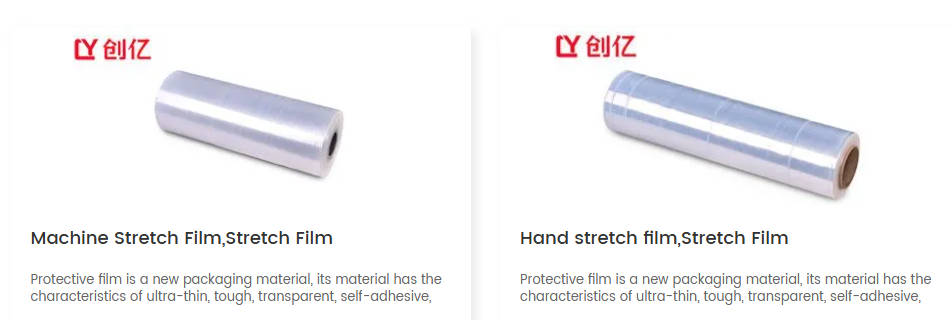
At Weide Chuangyi Packaging, we advice choosing based on actual use when it comes to packaging options, above all, stretch film in quick-moving logistics fields. Our machine stretch film and hand stretch film, produced from top-grade LLDPE, deliver features like solid pulling power, firm self-sticking, and great resistance to rips—vital for operations during busy seasons.
Common Misconceptions About Stretch Film Gauge
A widespread error is thinking that slimmer films, such as 60 gauge, always save money. Sure, they might look less expensive per roll at first glance. However, this view overlooks various unseen costs in daily work. Slimmer films demand extra layers to achieve proper hold, and they tear more easily while applying or moving them.
Many in warehouses mix up the real gap between 60 gauge and 80 gauge films. Although 60 gauge might appear fine from supplier details, those numbers fail to show how it holds up under fast wrapping speeds, long trips, or the weight of stacked loads. Weide Chuangyi Packaging points out that lab-based specs often clash with field results, particularly in tense seasonal rushes when pallets get moved often, and room for storage shrinks.
Hidden Costs of Using the Wrong Gauge
Film Breakage Under Load Stress
Slimmer options like 60 gauge tend to rip during quick machine wrapping or even basic hand use. This problem grows worse with heavy items or odd-shaped bundles. For instance, in a busy electronics warehouse, a 60-gauge film might snap after just two wraps on a pallet of circuit boards with protruding edges, forcing workers to stop the line. Such frequent snaps cause holdups in production. They also mean more staff time for redo wraps and extra scrap material. Each moment fixing a broken film cuts into the overall speed when orders pile up. Plus, poor wrapping raises dangers in shipping, where jolts can ruin items.
Rebound and Load Retention Issues
The holding power of a wrap goes beyond just pulling it tight on a pallet—it’s about keeping that pull steady over hours or days. Slimmer films usually lack strong recovery or bounce-back ability, so they loosen up quicker. During long hauls, like those delayed by holiday traffic jams, this results in goods sliding around and more insurance claims from damaged shipments. Pallets wrapped without enough pull move more during travel, which hurts on-time deliveries and drives up expenses.
Pallet Shifting and Warehouse Hazards
When space runs tight, sites often pile pallets taller to fit everything. But picking a film that’s too thin weakens the stack’s balance. A 60-gauge wrap simply can’t lock down high or weighty loads well, raising the chances of falls that endanger staff and demand expensive fixes. In peak times like before the Chinese New Year, cramming more into a smaller area amps up these dangers. Thus, film thickness turns into a safety choice, not just a packing one.
Comparing 60 vs 80 Gauge Stretch Wrap in Practice
Performance Differences Under Real Conditions
In everyday operations, 80-gauge stretch film shows much stronger defense against punctures and general durability than the 60-gauge version. It handles uneven loads and stacking weight reliably, as seen in peak warehouse setups. Take a scenario with mixed appliance parts: 80 gauge wraps endure corner pokes without failing, while 60 gauge often gives way under similar pressure.
Meanwhile, 60 gauge works okay for light or even-shaped pallets. Yet it commonly breaks down when facing downward force or extended shipping. The heavier the cargo, the more you need a wrap with superior grip, like 80 gauge.
Application Suitability: Hand vs Machine Wrap
Hand Pallet Wrapping Scenarios
Hand wrapping brings in differences from person to person. With slimmer films like 60 gauge, the pull varies, resulting in spotty coverage. On the other hand, using 80 gauge by hand gives a firmer hold with less effort in layers, boosting steadiness and speed.
Machine Pallet Wrapping Scenarios
Today’s machines deliver even pull for both thicknesses. Still, this doesn’t fix the built-in weak points of thinner wraps. In fast-paced runs, 80 gauge cuts stoppages from tears, providing toughness when schedules tighten most.
Operational Considerations During Peak Logistics Periods
Space Constraints and Vertical Stacking Needs
Ahead of holidays, limited room forces teams to stack upward. Here, a thicker wrap, such as 80 gauge, bolsters the upright strength of loads, lowering collapse risks and promoting safer piles. For details, our stretch film rolls come in standard widths from 100–1400mm and thicknesses of 0.018–0.050mm. This range lets users pair film toughness with their piling plans just right.
Load Stability During Extended Transit Times
Holiday delays stretch out travel or holding times for pallets. Such longer waits heighten the odds of wrap loosening if the gauge is low. Stronger thicknesses keep their grip longer and stop slides, so goods arrive in better shape.
Weide Chuangyi Packaging suggests checking travel lengths when picking wraps. For far trips or overseas shipments, machine stretch film with high pull strength delivers steady results all along the way.
Aligning Film Type With Load Profile
Picking stretch wrap involves more than just thickness—it’s about knowing your cargo’s traits well. Key factors to evaluate:
· Weight distribution of palletized goods.
· Presence of sharp edges or irregular shapes.
· Expected handling frequency during transit.
At Weide Chuangyi Packaging, our stretch films take these elements into account. We provide both hand and machine types to meet varied needs in sectors from ceramics to electronics. For instance, in electronics packing, films with puncture resistance handle fragile screens without tears during multiple lifts.
Cost-Benefit Analysis Beyond Price Per Roll
Going for slimmer films just to trim initial outlay can spike overall bills through various indirect hits. Hidden costs of undergauging:
· Increased product damage claims.
· Labor time spent on rewrapping.
· Delays due to unstable loads.
Clients in logistics, home appliances, and hardware fields share stories of fewer problems and higher contentment after moving to better stretch products from Weide Chuangyi Packaging. Our PE stretch film rolls enhance packing speed, cargo steadiness, and machine flow in logistics and manufacturing across China.
Strategic Gauge Selection Protects Profit Margins
Deciding on film thickness affects bottom lines straight away, especially in tight logistics stretches like the pre-Chinese New Year. Weide Chuangyi Packaging notes that slimmer films might seem wallet-friendly at the start, but they typically bring steeper bills later from shakes, harm, and slowdowns. By looking at cargo details and work settings as a whole, companies can secure tougher, safer packs with smart spending control. Ensure smooth, efficient logistics this holiday season—contact Weide Chuangyi Packaging today for the right stretch film solutions to protect your goods and boost efficiency!
FAQ
Q: What is the difference between 60 gauge and 80 gauge stretch wrap?
A: The main difference lies in thickness and strength—80 gauge offers greater puncture resistance and holding force than 60 gauge, making it more suitable for heavy or unstable loads.
Q: Can I use 60-gauge stretch film for machine wrapping?
A: It depends on your load type; while machines can apply consistent tension, thinner films like 60 gauge may still fail under stress if the load is heavy or has sharp edges.
Q: Why does my pallet shift even though it’s wrapped tightly?
A: This could be due to insufficient rebound strength or containment force from using an under-gauged film, like a 60-gauge film in a high-stress environment.
Q: Is thicker always better when choosing stretch wrap?
A: Not necessarily—thicker films like 80 gauge provide better strength but may be excessive for light-duty applications; matching the film to your specific load requirements is key.
