
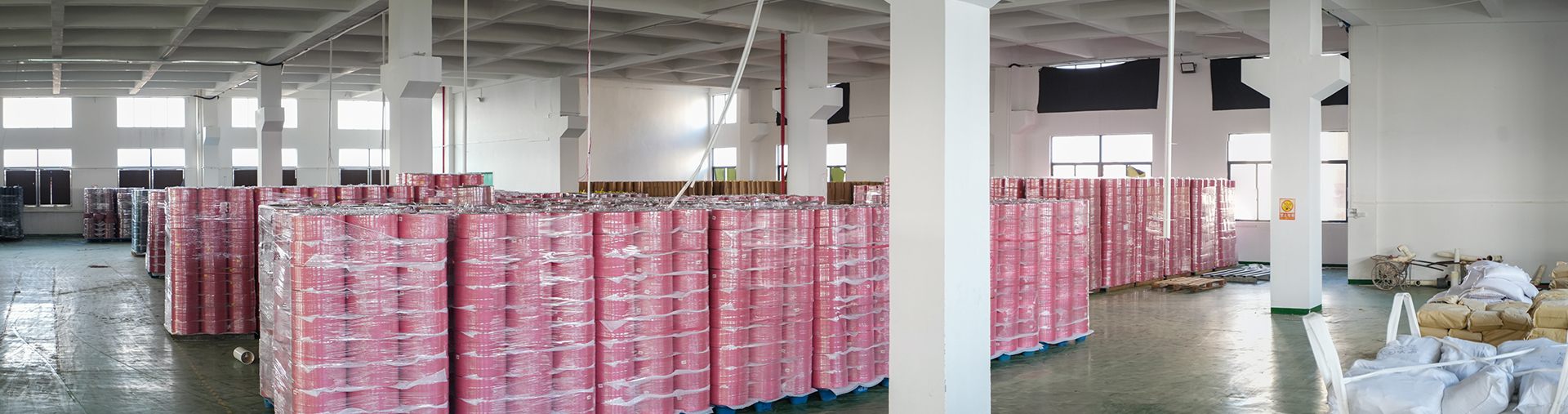
Best Packaging Method to Protect Paper from Moisture During Storage and Shipping
2026-03-20Keeping paper safe from humidity while storing or moving it plays a key role in upholding its condition and practical value. Premium printing papers face real risks from moisture, which might lead to bending, rolling up, or problems with ink soaking in. These issues can harm the sharpness and accuracy of prints. Companies that ship or keep paper in damp settings must set up solid moisture barriers. This way, the paper stays level, even, and prepared for printing.
Dampness can also spark mold or break down packing items if handled poorly. That is why practical packing options, such as stretch film and strapping tapes, prove vital for guarding product wholeness from the plant to the end point.

Benefits of Using Stretch Film
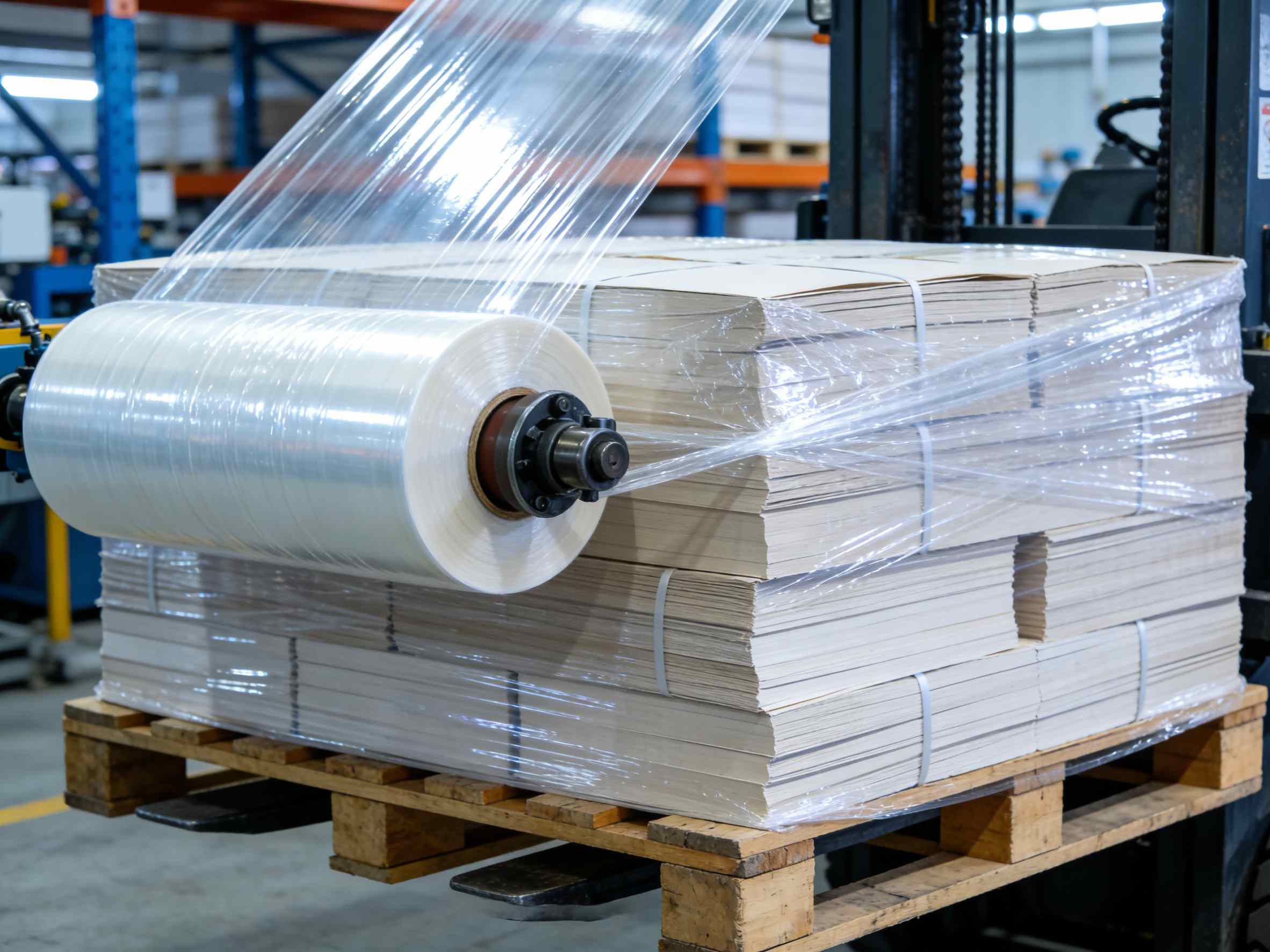
Stretch film stands out as a top choice for building a moisture shield around paper goods. PE stretch wrap comes from solid LLDPE as the base material. It shows strong pull strength, wide stretch range, solid stickiness on its own, clear visibility, and fine resistance to rips. Such traits suit it well for binding paper bundles snugly and stopping air or dampness from getting in.
In cool storage or wet spots, stretch wrap serves as a guard layer that cuts off the paper from outside weather elements. Once wrapped with stretch film, it stops items from falling apart during loading, unloading, and travel. Plus, it helps block dust, damp, and harm. This fits perfectly for far-off delivery or storage in warehouses where shifts in temperature might bring on water buildup.
Factory cling film wrapping brings extra perks like easy use—either by equipment or by hand—and savings on costs because of less waste in materials. The Machine Stretch Film and Hand Stretch Film from Weide Chuangyi Packaging both use LLDPE material with usual thicknesses from 0.018–0.050 mm and widths up to 1400 mm. These specs allow full wrapping for different paper bundle sizes, drawing from over two decades of hands-on production know-how in the field.
Using Stretch Film Effectively
Choosing the Right Stretch Film
Picking the proper stretch wrap film thickness relies on the load weight and scale of your paper bundles, along with the surrounding weather. Thicker films give stronger defense against pokes and hold up better under pressure, whereas slimmer films work for lighter loads that need bendability.
For steady results, go with top-grade materials from reliable makers. As a supplier of packing materials, we blend research, making, and selling. The firm focuses on creating Stretch Film, PP straps, PET straps, and other packing items that meet tight quality standards for fields like printing, shipping, tech gadgets, and furnishings.
Wrapping Techniques for Maximum Protection
To gain the best protection against dampness:
- Put the paper bundle on a pallet with straight lines.
- Start wrapping from the bottom using Hand Stretch Film or machine-applied film based on the amount needed.
- Make each layer overlap by at least 50% to form a full seal without openings.
- Keep going up with a steady pull until the whole bundle is wrapped.
- End by adding more wraps on the top layer around the edges to stop lifting in transit.
Make sure the sides seal tightly, as any loose parts could let air in and cause water droplets to form within the wrap.
Reinforcing with Strapping Tapes
The Role of PET Strapping Tapes
Though stretch film builds a fine moisture shield, adding PET strapping tapes gives firm support during lifting or travel shakes. PET strapping tape acts as a packing material with solid pull strength and good joining ability. It holds its pull over time without slackening, even in changing heat levels, which makes it great for holding heavy pallets steady.
It stays firm for a long stretch after packing, so goods gain strong bump resistance on long hauls. Also, PET strapping tape lacks the sharp sides of steel types, so it won’t cut the packing or harm hands. Its lack of water prevents rust or softening in damp areas.
The PET Strapping/PET Packing Belt from Weide Chuangyi Packaging has even edges and two-sided pressing for better grip against slips, all while keeping a bend for safe use.
Application Techniques for Strapping Tapes
Right use boosts both safety and damp guard:
- After stretch film wrapping, place PET straps straight across main load spots with hand or air-powered tools like Weide ChuangyiPackaging’s Pneumatic Baler PET Strap system. This setup uses compressed air for pulling tight and joining via rub welding.
- See that the pull spreads evenly over all straps without slicing into the wrapped side, which could weaken the damp barrier’s wholeness.
- Pick zinc-coated steel clips like PET Strap Steel Buckle for hand joining when needed; these resist eating away even in wet spots.
- Check strap lines again before sending out to keep an even force throughout the trip.
These steps, refined through years of industry trials, help avoid common issues like strap snaps.
Advanced Protection Strategies
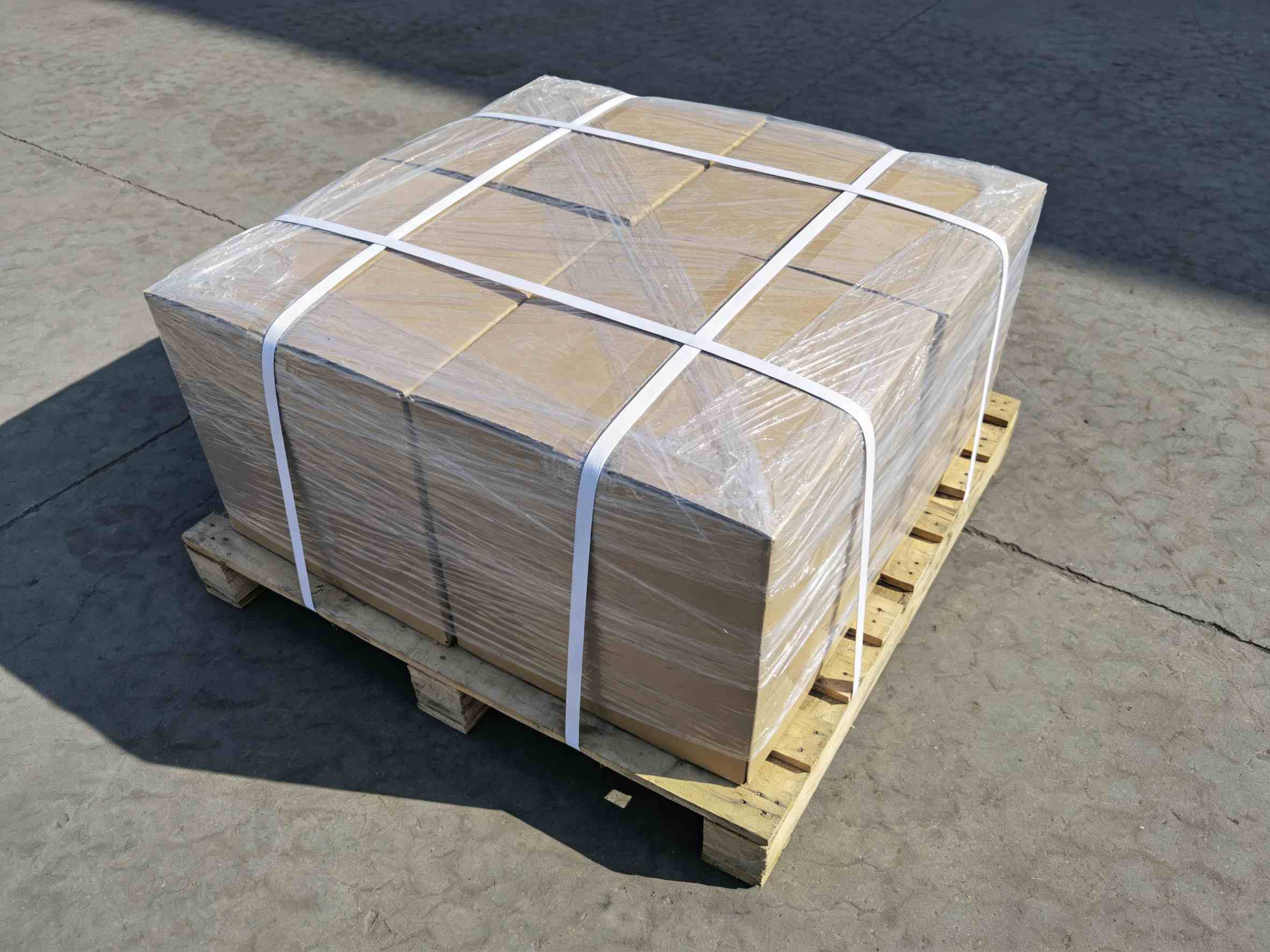
Pairing stretch film with PET strapping forms a full defense setup against both physical strain and weather dampness—a key plan when sending paper goods abroad or keeping them for long in warm zones.
For one thing, putting on several layers of Machine Stretch Film then adding crossed PET straps boosts all-around steadiness while giving a tight air block at each pallet edge. This two-part way matches approaches that work well in shipping areas where shake resistance and weather guard matter most.
The home appliance field can draw on PP strapping tape, PET strapping tape, stretch film, and so on. In the same vein, such mixed guard plans can shift to areas beyond paper making—like ceramics or tech items, where damp control ties straight to product dependability. At Weide Chuangyi Packaging, we keep improving our packaging solutions based on input from clients in areas like ceramics, metal work, shipping help, and beyond. This draws on our 21 years of making experience, supported by strict quality checks.
Conclusion
Looking for reliable packaging materials to protect your products from moisture during shipping and storage? At Weide Chuangyi Packaging, we specialize in manufacturing high-performance stretch film, PET strapping, PP strapping, and packaging accessories designed for demanding industrial applications. With over 21 years of manufacturing experience and strict quality control, our products are trusted by customers in the printing, logistics, electronics, and manufacturing industries worldwide.
Contact us today to learn more about our packaging solutions or request a product quote tailored to your packaging needs. Our team is ready to help you improve load stability, reduce product damage, and optimize your packaging efficiency.
FAQ
Q: How does stretch wrap protect against humidity?
A: Stretch wrap builds a close seal around stacked paper that stops air flow; this wall keeps outside damp from touching delicate sides during keeping or moving.
Q: What is the ideal thickness for stretch wrap film?
A: Based on load weight and weather contact levels, films between 0.018 mm and 0.050 mm strike the right mix of bend and lasting power.
Q: Why choose PET strapping tapes over other types?
A: PET straps blend strong pull strength with no-rust action—they avoid taking in water like steel bands could—and hold pull longer than PP choices in damp spots.
Q: Can I use these methods for other products besides paper?
A: Yes! These same ways guard ceramics, wood sheets, cloth goods, or any items open to damp-caused harm in travel. For instance, electronics firms wrap circuit boards similarly to prevent short-circuits from condensation in tropical shipments.
