
From Light to Heavy Loads: How to Pick the Best Stretch Film Gauge
2026-01-09The Role of Stretch Film in Load Security
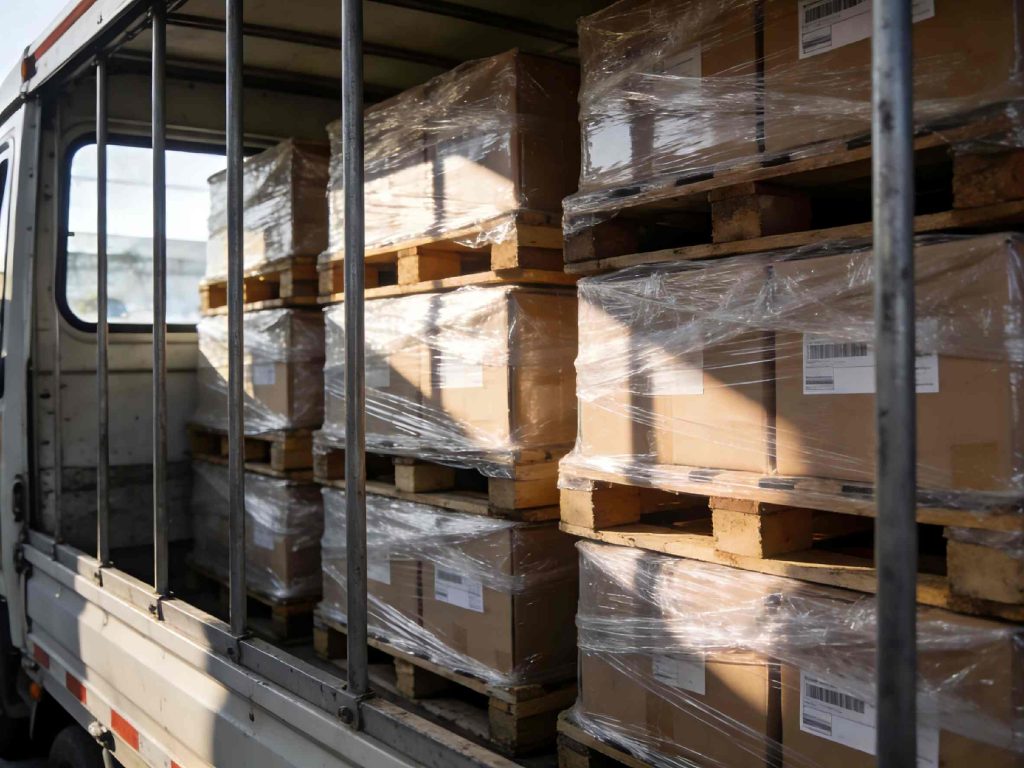
In today’s logistics and warehousing operations, stretch film serves a key function in keeping pallet loads safe during storage and transport. It forms a sturdy shield that holds items steady, stops them from moving, and reduces the risk of product damage during handling and transportation. The film clings firmly to the goods, providing solid load stability and protection from things like dirt and water. At Weide Chuangyi Packaging, we produce stretch films with high tensile strength and excellent puncture resistance. We use top-quality LLDPE materials to deliver dependable wrapping for handling and shipping tasks.
Why Gauge Matters in Stretch Film
The gauge of stretch film is a basic element that shapes how well it works and how much it costs. Gauge means the thickness of the film. This thickness decides the film’s power, how much it can stretch, its ability to resist punctures, and how well its load containment force and holding performance. Picking the proper gauge lets you use just the right amount of material. You avoid wasting it or weakening the protection. So, knowing the various gauge choices helps companies pick the best film for their specific wrapping jobs.
Understanding Stretch Film Gauge
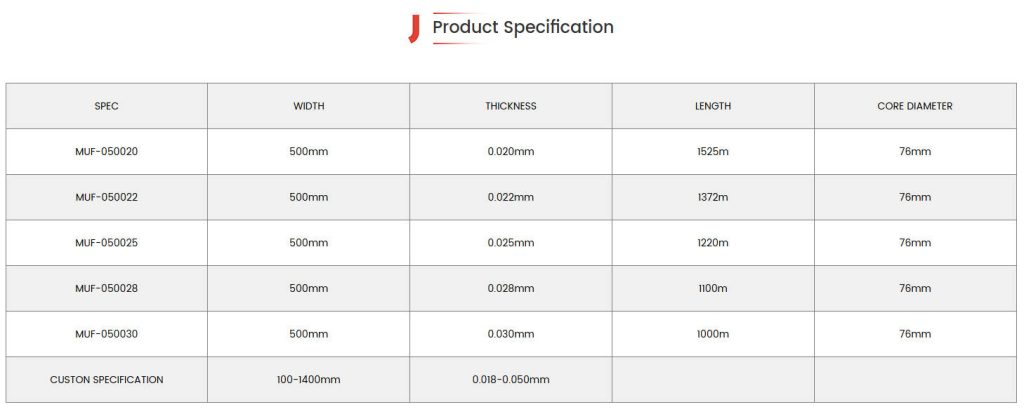
Stretch film gauge means the thickness of the film. It is usually measured in mils, where 1 mil equals 0.001 inch, or in microns. At Weide Chuangyi Packaging, our stretch film usual thickness range goes from 0.018mm to 0.050mm. Typical market conversions include approximately 60 gauge ≈ 15μm, 70 gauge ≈ 17–18μm, 80 gauge ≈ 20μm, and 90 gauge ≈ 22–23μm, depending on film formulation and supplier standards. Each option has its own traits that fit different kinds of pallet loads.
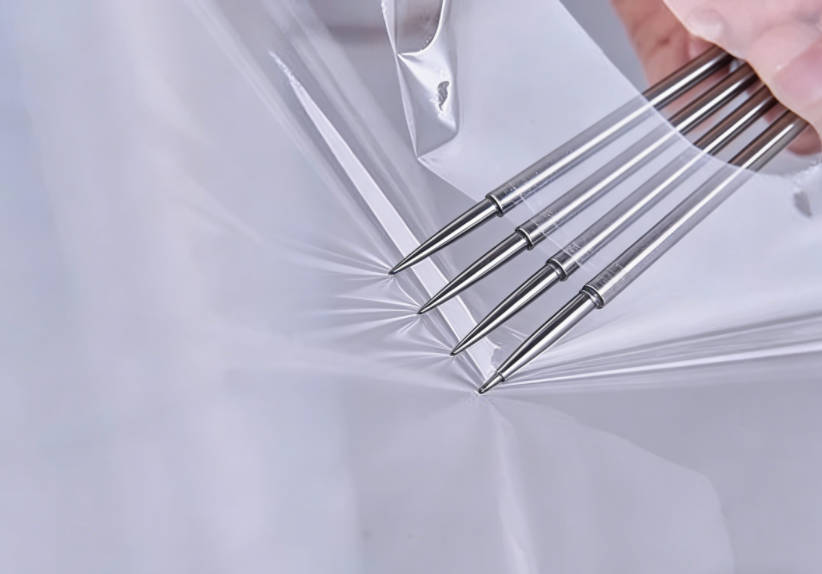
Films with greater thickness give better resistance to punctures. They also provide a stronger hold on loads and suit uneven or heavy items well. But these thicker options use up more material and raise the cost per roll. On the other side, slimmer films work great for light items. They cut down on plastic use and aid green practices. However, they might not hold up under heavy pressure or when wrapping items with sharp edges.
Comparing Common Gauges
60 Gauge vs 80-Gauge Stretch Wrap
-
60-gauge stretch film ranks as a common pick for easy jobs with even and light loads that have few edge risks. It saves money while giving enough hold for simple shipments.
-
80-gauge stretch film stands as the go-to standard for everyday tasks. It delivers improved gripping power that fits medium to heavy loads. Plus, it handles pallets with assorted items or some uneven spots just fine.
When to Use Higher or Lower Gauges
-
Lower Gauges (50–60): Films in the lower gauge range, such as 60-gauge hand stretch film from Weide Chuangyi Packaging, fit best for light pallet loads weighing less than 1000 lbs(≈450 kg). These choices lower material expenses and lessen harm to the environment. At the same time, they keep solid load safety for regular boxes or soft products. For instance, in a warehouse packing small food boxes, this gauge wraps them securely without extra bulk.
-
Mid Gauges (70–80): Mid-level gauges offer a good mix of power and bendability. They prove useful in many warehouse settings. For example, machine stretch films in the 70–80 gauge from Weide Chuangyi Packaging suit medium loads from 1000 to 2000 lbs(≈450–900 kg). They work especially well where the contents vary. In high-throughput production environments, this gauge helps maintain stable wrapping performance without frequent film breaks.
-
Higher Gauges (90+): For tough jobs with loads over 2000 lbs(≈900 kg) or items with sharp, bumpy edges, you need films that are 90 gauge or thicker. They ensure safe handling. Weide Chuangyi Packaging supplies high-gauge stretch film made for these hard cases. Here, puncture resistance and high load containment force are critical.
Matching Film to Pallet Load Requirements
Assessing Load Characteristics
Smart film picking starts with a close look at what the load includes. Key traits to check are:
-
Weight: Loads that weigh more need firmer gripping power.
-
Shape: Odd forms can poke holes in thin films.
-
Sharp edges: These call for thicker gauges or extra-strong films.
-
Stacking stability: Wobbly stacks require tighter wrapping.
You should also think about whether the load moves a lot in transit. If it does, a stronger wrap keeps everything in place.
Choosing Based on Load Type
-
Light Loads (<1000 lbs): For simple, light tasks, we suggest 60-gauge stretch film from Weide Chuangyi Packaging. This option saves cash without losing wrapping strength.
-
Medium Loads (1000–2000 lbs): Pallets in the medium weight class gain from 70–80 gauge machine-grade films. These give solid control over tension and a reliable hold across repeated wraps.
-
Heavy Loads (>2000 lbs): For dense products or heavy industrial shipments, pick stretch films with 90+ gauge from Weide Chuangyi Packaging. These are built to handle rough settings and secure wobbly or heavy goods throughout travel.
Other Factors Influencing Selection
Stretch Film Sizes and Roll Dimensions
Right-sizing makes sure the film matches your tools and workflow. Our stretch films come in widths from 100mm to 1400mm. Roll lengths fit both hand use and machine setups. Before selecting, always check the pallet size and wrapping needs.
Machine vs Hand Wrap Applications
-
Machine Stretch Films: Machine stretch film from Weide Chuangyi Packaging is built for auto systems. In these, exact tension control counts a lot. The films deliver steady results in high-output work.
-
Hand Stretch Films: Hand stretch film brings easy handling for manual jobs. It suits setups with less volume or changing product sizes. These films stick well to themselves and wrap tightly without fancy equipment.
Benefits of Choosing the Right Gauge from Weide Chuangyi Packaging
Enhanced Load Stability During Transit
Stretch film from high-quality LLDPE material stops goods from falling apart during loading, unloading, and transport. It also guards against dust, water, and harm. Picking the right gauge cuts out inside movement and shields from outside bumps.
Cost Optimization Through Efficient Usage
By not using thick films on light loads or thin ones on heavy ones, companies can use materials wisely and lower expenses. The proper gauge reduces waste but keeps products safe.
Improved Operational Efficiency
High-performing stretch films cut time lost to breaks or redo wraps. Whether applied by hand or machine, our films work evenly. This raises output and shortens packaging holdups.
Conclusion
Selecting the suitable stretch wrap gauge is vital for pallet load steadiness, less product harm, and better packaging costs. By grasping how film thickness impacts work on different load types, companies can choose wisely to fit their aims. Weide Chuangyi Packaging provides a full lineup of stretch film gauges made to handle varied wrapping demands with trust and smooth running at the heart.
FAQ
Q: What does stretch film gauge mean?
A: Stretch film gauge refers to the thickness of the film; higher gauges indicate thicker and stronger films used for heavier or irregular loads.
Q: How do I choose between 60-gauge and 80-gauge stretch wrap?
A: Choose 60 gauge for light, uniform loads; opt for 80 gauge if your pallets are heavier or have varying shapes requiring more containment force.
Q: Does thicker stretch film always mean better protection?
A: Not necessarily—thicker films offer more strength but may be excessive for lightweight loads; matching the right gauge to your load type is key.
Q: Can I use the same stretch wrap gauge for all pallet types?
A: It’s not recommended; different pallet weights and shapes require specific gauges to ensure optimal security without wasting material.
Q: What are the standard stretch film sizes offered by Weide Chuangyi Packaging?
A: Weide Chuangyi Packaging offers a variety of roll widths (e.g., 100–1400mm) and thicknesses (0.018–0.050mm) suitable for both hand wrap and machine applications.
