
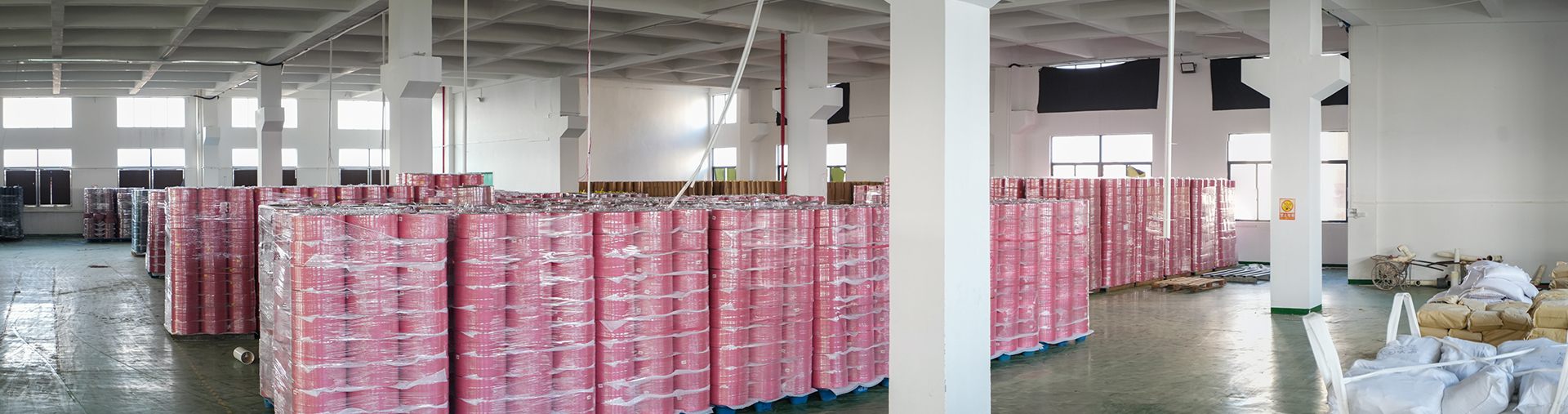
Slash Your Total Cost of Ownership with Premium Strapping Solutions
2026-04-17In the complex world of industrial logistics and manufacturing, procurement departments are often measured by a single metric: the unit price of consumables. However, for B2B managers overseeing high-volume shipping, focusing solely on the “price per roll” of strapping is a dangerous oversight that often leads to skyrocketing operational expenses. To truly reduce packaging costs, one must look beneath the surface at the total cost of ownership (TCO).

Rethinking the True Cost of Strapping
Beyond the Unit Price Trap
The “unit price trap” occurs when a business selects a packaging material based on the lowest invoice cost, ignoring the performance variables that affect the final bottom line. When you buy a low-grade PP strapping belt, you aren’t just buying plastic; you are potentially buying instability, inconsistent thickness, and poor tension retention.
Defining TCO in Strapping Systems
TCO in strapping is the sum of all costs associated with the life cycle of the packaging material. This includes the initial purchase price, the cost of labor to apply the strap, the cost of replacing damaged goods due to strap failure, and the operational losses when a packing line stops.
The Hidden Costs of Low-Quality Materials
Material Waste and Excess Consumption
Lower-quality straps often lack the tensile strength and “memory” of premium materials. This leads to operators “over-strapping”—using three or four bands where two of our high-tenacity PET strapping belts would suffice. Furthermore, poor quality leads to “splitting,” where the strap frays during the tensioning process, forcing the operator to discard the material and start over.
At Weide Chuangyi Packaging, our PET strapping belt, also known as plastic steel strapping, is engineered to replace traditional steel. It offers superior shock absorption and remains tight even if the load settles during transport. Because it doesn’t snap or lose tension easily, you use less material per unit, immediately contributing to strapping cost optimization.
Excessive Labor and Operational Time Loss
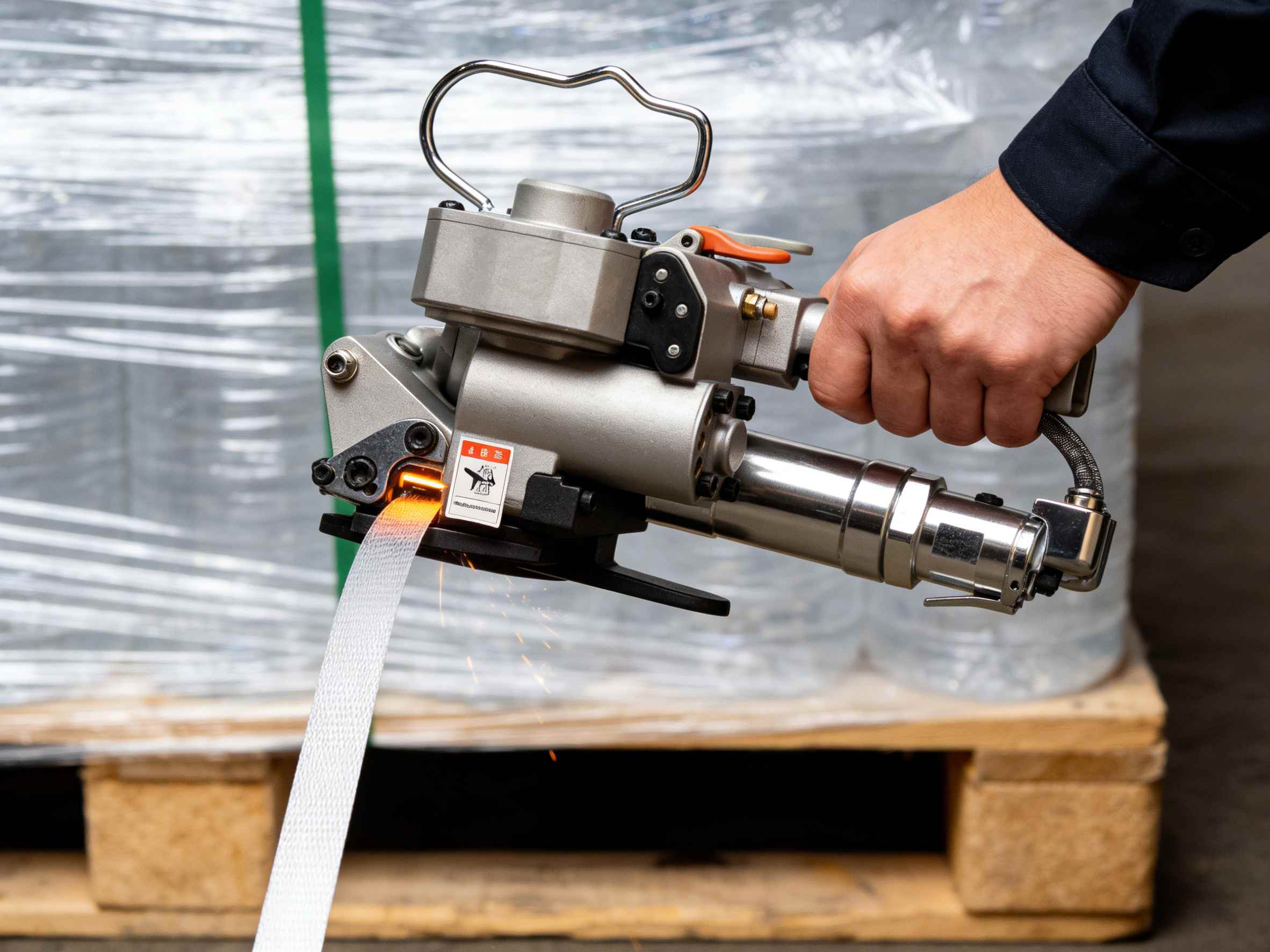
Labor is often the most expensive component of the packaging process. If your team is using manual tools and inconsistent materials, they are spending more seconds per pallet than necessary. For example, using our Pneumatic baler PET strap tool allows for rapid tensioning, melting, and cutting in one seamless motion. Contrast this with the manual Packing pliers and Strap tensioner for wide strapping bands, which, while durable, are better suited for lower-volume needs.
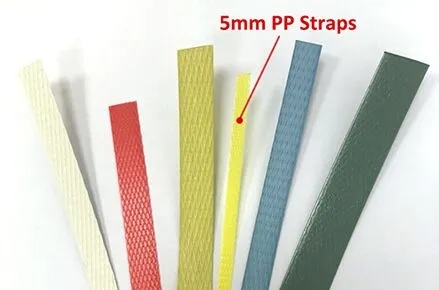
For high-volume facilities, our fully automatic PP strapping tape is designed for high-speed reliability. If a strap is even slightly out of tolerance in width or thickness, it can cause a “misfire” in an automated machine. At Weide Chuangyi Packaging, our precision manufacturing ensures that our 5mm PP strapping tape—our narrowest option—feeds perfectly every time, allowing your staff to focus on production rather than fixing jams.
Strategic Pillars of Strapping Cost Optimization
Minimizing Cargo Damage and Claims
Nothing destroys a profit margin faster than a cargo damage claim. In industries like ceramics and building materials, items are heavy, and edges are sharp. If a strap fails, the entire pallet can collapse, leading to destroyed inventory and expensive returns. We recommend the use of our Brown Paper Edge Protector Corner Protectors in conjunction with our PET strapping belt.
The Brown Paper Edge Protector binds products together to make the overall package more solid while protecting the edges of the goods from the high tension of the strap. This “system-based” approach—combining the strap, the corner protector, and perhaps our Machine Stretch Film—ensures that the cost per pallet is protected by a 0% damage rate.
Reducing Downtime and Machine Rework Costs
When an automated packing line goes down, the cost isn’t just the price of the broken strap; it is the “opportunity cost” of every minute the factory isn’t shipping. Low-quality PP strapping belts often leave behind dust and debris that clog the heating elements of baler machines.
Our fully automatic PP strapping tape is manufactured to be “low-dust,” extending the maintenance intervals of your machinery. We also offer Custom PP/PET strapping, allowing for color specification and LOGO printing.
Leveraging Weide Chuangyi Packaging Solutions
Premium PET and PP Strapping Performance
Choosing the right material is the first step in cost optimization. For light and medium-sized cargo, our PP strapping belt Polypropylene straps are affordable and versatile. For heavy-duty applications like magnesium ingots or bricks, our PET strapping belt is the superior choice because it resists moisture and maintains tension better than steel. We provide a range of options, including Smooth vs. Textured PET Strapping, to ensure that whether you are strapping round tinplate containers or rectangular fruit cartons, the friction and grip are optimized for the specific load.
Integrated Protection with Stretch Film
To truly minimize TCO in strapping, you must consider the entire pallet “envelope.” Often, strapping alone isn’t enough. Our Machine Stretch Film and Hand Stretch Film are ultra-thin yet incredibly tough and self-adhesive. By wrapping a pallet after strapping it with our PET strapping belt, you create a moisture-resistant, dust-proof barrier that further stabilizes the load. This integrated approach from Weide Chuangyi Packaging reduces the need for expensive secondary packaging, lowering the total cost per pallet.
Key Factors for Accurate TCO Calculation
To calculate your true costs, use this simple model:
-
Material Cost: (Price of roll / Meters per roll) x Meters used per pallet.
-
Labor Cost: (Labor rate per minute) x (Seconds to strap / 60).
-
Waste Cost: (Total material spend x % of waste/snaps).
-
Risk Cost: (Average claim value x % of damage incidents).
When you plug in the numbers for a cheap strap vs. Weide Chuangyi Packaging’s premium products, you will find that the higher-quality strap often results in a lower cost per pallet due to the massive reduction in waste and labor time.
Conclusion
Achieving true strapping cost optimization requires a holistic view of the supply chain. While the initial price of a PP strapping belt or a PET strapping belt is a factor, it is only a small piece of the TCO puzzle. By focusing on reducing material waste, streamlining labor with tools like the Pneumatic baler PET strap, and protecting cargo with Brown Paper Edge Protector, businesses can unlock significant hidden profits.
Stop paying for “cheap” materials that cost you more in the long run, and start investing in a strapping system that delivers measurable value to your bottom line. Contact Weide Chuangyi Packaging today for a professional TCO audit to optimize your packaging line and slash your cost per pallet!
FAQ
Q: What is the most important factor in TCO in strapping?
A: The most significant factor is often “applied efficiency,” which includes the cost of labor and the cost of material waste. A higher-quality strap from Weide Chuangyi Packaging may have a higher unit price, but reduces the time per pallet and the amount of discarded material, leading to a lower total cost.
Q: Can custom-printed strapping actually save money?
A: Yes. By using our Custom PP/PET strapping printed with your LOGO or batch info, you improve brand visibility while simultaneously reducing logistics errors. Better identification in the warehouse leads to fewer shipping mistakes and less time spent on inventory rework.
Q: Why should I use a paper corner protector with my straps?
A: Our Brown Paper Edge Protector allows you to apply higher tension to the PET strapping belt without damaging the product edges. This results in a tighter, more secure pallet, which is the best defense against damage claims during long-distance transit.

