
5 Common Strap Tensioner Issues and How Weide Chuangyi Packaging Fixes Them
2025-12-04In the time-sensitive world of packaging and logistics, timely securing of goods is essential to guarantee secure transportation and storage. Among its most essential equipment in doing so is a broad strapping band strap tensioner that holds packages securely in transport. But even quality equipment is not spared from work-related issues that slow down workflow, reduce productivity, and at times damage products.

We at Weide Chuangyi Packaging specialize in designing and manufacturing high-quality strapping tools that solve such issues. Operators can save time and cost and ensure consistent, safe packaging results by understanding the five most prevalent strap tensioner problems and how to fix them. In this article, we will explain these issues and provide practical solutions, and indicate the way that Weide Chuangyi Packaging solutions prevent or minimize such problems.
Issues 1. Lack of Strap Tension
One of the most prevalent issues is a lack of tension at the time of strap application. This may be caused by a variety of factors:
-
Worn-out parts: With extended use, the tension wheel, gears, or spring mechanisms within the tensioner can wear out, lowering their capacity to apply sufficient force.
-
Inadequate strap size: Employing a strap that is too large or too small for the tensioner frequently results in loose bands.
-
Inaccurate calibration: If the tensioner is not calibrated for strap width and type, it will never be able to achieve suitable tension.
Solutions
-
Maintenance: Replace and check the deteriorated components, like springs and gears. For example, Weide Chuangyi Packaging’s tensioner comes with replaceable tension wheels that provide uniform grip over time.
-
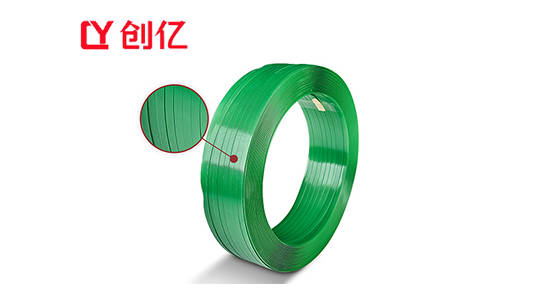
Use compatible straps: Use your tensioner only with the appropriate wide strapping band. Weide Chuangyi Packaging PET and PP straps are designed specifically to meet the tension needs of our tools.
-
Tool calibration: Calibrate your tool according to the material and strap width to maintain even tightness. Weide Chuangyi Packaging tensioners feature accurate calibration knobs for quick and precise adjustment.
By preventing these factors, you can prevent loose or unstable strapping and rework or damaged shipments.
Issues 2. Slipping of the Strap When Tensioning
Slipping of the strap is another widespread phenomenon that affects efficiency as well as safety:
-
Dirty or oily straps: Surface contaminants reduce friction, enabling the strap to slip.
-
Chipped or worn gripper teeth: Chipped or worn-out teeth on the tensioner are unable to grip the strap.
-
Misalignment: Incorrect feeding of the strap to the tensioner causes uneven tension and slippage.
Solutions
-
Maintain clean straps and tools: Clean the tensioner and strap surfaces before use. Weide Chuangyi Packaging’s tensioners feature non-contaminating anti-slip gear coating that maintains a firm grip.
-
Wear replacement: Inspect gripper teeth periodically and replace them once they wear. Weide Chuangyi Packaging provides wear-resistant replacement parts that ensure reliable performance.
-
Proper strap alignment: Direct the strap in a straight and aligned position. Our tensioners have guides that ensure the strap is not misaligned, minimizing slippage potential even in heavy usage applications.
Proper maintenance and alignment not only prevent strap slippage but also extend the longevity of the strap and tensioner.
Issues 3. Strap jammed or Strap Stuck in Tensioner
Strap jamming stops workflow and can also damage the strap and tensioner:
-
Trapped debris in the tensioner: Metal shavings, dirt, or dust may drop into the mechanism.
-
Faulty feeding of the strap: Wrong angle of feeding or high feeding speed can cause jamming of the strap.
-
Incorrect material for the strap: Using the wrong kind of strap for a specific tensioner primarily causes jams.
Solutions
-
Clean the tensioner regularly: Remove debris after each use. The Weide Chuangyi Packaging’s tensioners has self-cleaning slots, which minimize the occurrence of jams.
-
Feed straps correctly: Follow the tool’s instructions for loading the strap smoothly.
-
Use compatible straps: Match PET, PP, or composite straps to the tensioner model. Our products are rigorously tested for compatibility to prevent operational delays.
By ensuring proper maintenance and strap selection, operators can maintain an uninterrupted workflow and reduce downtime.
Issues 4. Handle Breakage or Reduced Leverage
Handle breakage can be both dangerous and costly:
-
Over-tensioning: Applying excessive force strains the handle.
-
Material fatigue: Long usage or inferior materials can result in weakening of handles over a period of time.
-
Poor ergonomics: Non-ergonomic designs make it more difficult to apply pressure uniformly, leading to greater chances of damage.
Solutions
-
Use the tensioner properly: Do not exert too much force and adhere to the manufacturer’s instructions. Weide Chuangyi Packaging handles are constructed of strengthened alloy and designed for heavy-duty use with broad strapping bands.
-
Periodic handle inspection: Inspect handles for cracks, bending, or fatigue and replace when necessary.
-
Proper storage and operation: Properly store tools and equip operators with correct technique training. Correct handling eliminates stress and prolongs tool life.
These precautions ensure safer operation and reduce the possibility of costly downtime from broken handles.
Issues 5. Uneven tension or strap loosening after sealing
Straps can loosen despite proper tensioning due to:
-
Unbalanced tension force: Non-uniform force makes certain sections tighter than others.
-
Incompatible sealing technology: Buckles or seals incompatible with the strap can fail.
-
Environmental conditions: Temperature changes or vibration during transport can affect the strap’s stability.
Solutions
-
Apply uniform pressure: Apply equal force during tensioning. Weide Chuangyi Packaging’s tensioners provide precise tension control for even application.
-
Match the seals: Replace your tensioner with seals or buckles specifically designed for the same kind of strap.
-
Pick a suitable strap: Weide Chuangyi Packaging’s wide strapping bands are engineered to remain tight even under heavy conditions.
Good use, good straps, and correct seals prevent the strap from coming loose and ensure safe transportation.
Maintenance Instructions for Longer Tool Life
-
Clean the tensioner every shift.
-
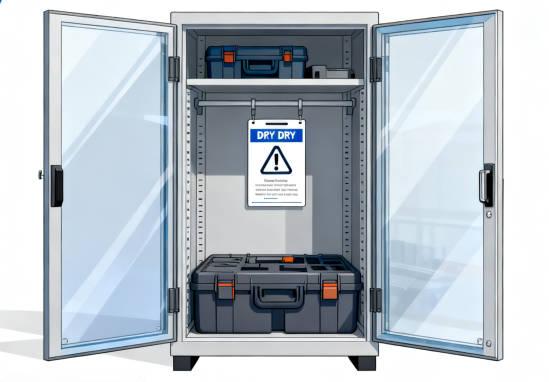
Keep in a dry, dust-free environment.
-
Lubricate moving parts monthly.
-
Educate operators in proper tensioning procedure.
Periodic maintenance ensures maximum tool life and delivers reliable, high-quality packaging.
Conclusion
Education and troubleshooting of frequent strap tensioner problems ensure safe, effective packing. With Weide Chuangyi Packaging strap tensioners for wide strapping band and proper technique, operators reduce downtime, protect merchandise, and increase productivity. Reliable tools, suitable straps, and regular maintenance are the recipe for hassle-free operation in any packing house.
FAQ
Q: Which is the best strap tensioner for strapping bands in terms of width?
A: Select a tensioner to match your strap size and material. Weide Chuangyi Packaging offers models that accommodate PET, PP, and composite straps.
Q: Why my strap tensioner has lost its grip?
A: Dirty straps or gripper teeth wear are common causes. Cleaning and replacement of Weide Chuangyi Packaging parts re-enable.
Q: Can the same tensioner be used on plastic and steel straps?
A: No. Different materials require special mechanisms. Weide Chuangyi Packaging provides specialized models by type to ensure safety and efficiency.
Q: How can I prevent jamming?
A: Feed straps correctly, use compatible straps, and keep the tool clean. Weide Chuangyi Packaging tensioners contain self-cleaning slots that prevent jams.
Q: How frequently should I service my tensioner?
A: Light users: monthly; heavy users: weekly, such as cleaning, lubrication, and inspection.
