
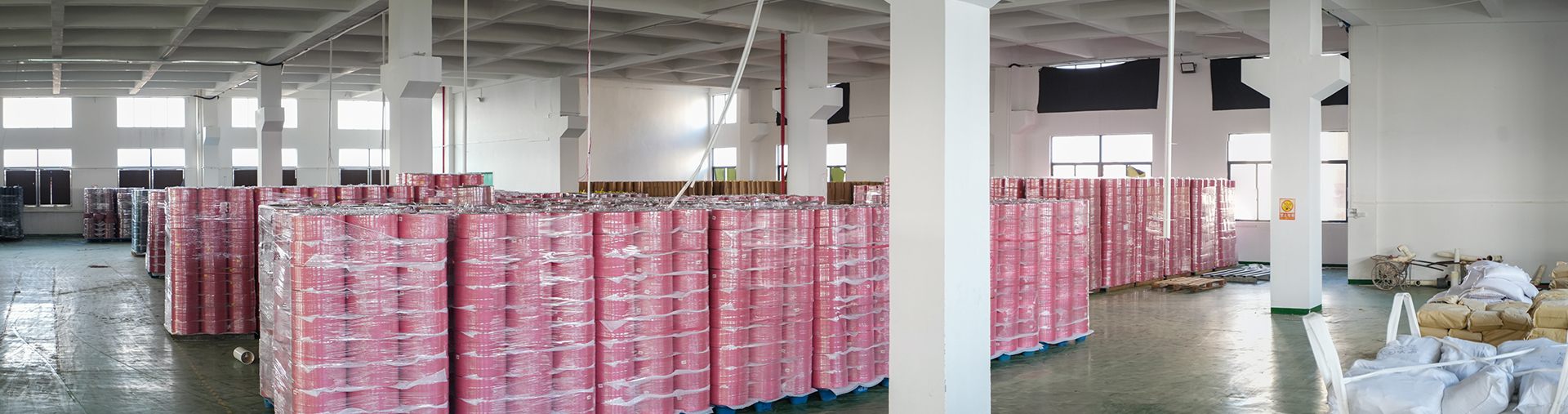
How to Select the Right Packaging Strap: PP vs. PET Guide
2026-08-14A carton strap snaps during handling. A pallet arrives loose after a long truck journey. Or a strong strap crushes the corners of a light box. These problems often start with the same mistake: choosing a packaging strap by price, color, or width alone.
Learning how to select the right strap means looking at the whole packing job. Load weight, movement, settling, travel distance, and the application tool all matter. Good packaging strap selection protects the goods without adding needless material.
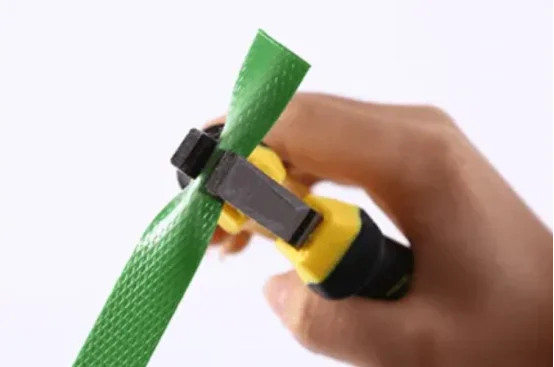
What Are the Main Types of Packaging Straps?
The main types of packaging straps serve different jobs. For most industrial packaging strapping, the practical choice is PP strapping or PET strapping. Steel and specialist cord are considered when plastic strapping cannot meet the load or site conditions.
PP Strapping
PP strapping is made from polypropylene. It is light, flexible, affordable, and resistant to bending. Common PP strapping applications include food, printing, medicine, household appliances, textiles, retail goods, doors and windows, and general logistics.
The strap series includes PP options for light and medium cargo, pallet fixing, and machine packing. A 5 mm PP strap, for example, can bundle cartons, cloth, and other small packages. Small strap, very specific job.
PET Strapping
PET strapping uses polyester and is often called plastic steel strapping. It has high tensile strength, good welding performance, and strong strap tension retention, helping goods resist shocks during long-distance transport.
PET strapping applications include timber, paper, panels, ceramics, building materials, metal products, aluminum, steel, tobacco, and chemical fibers. It is flexible, recyclable, has no sharp steel edge, and will not rust. When comparing PET strapping vs steel strapping, handling and corrosion matter as much as price.
How Do Load Weight and Product Shape Affect Your Choice?
If you are working out how to choose packaging strapping, start with the packed load. Check its full weight, pallet position, and likely movement when a forklift turns or a truck brakes. Strapping for heavy loads needs a wider safety margin than strapping for a stable box.
Check Strength and Load Movement
Strapping tensile strength shows how much pulling force the material can resist. Strap breaking strength is the failure point. The buckle or welded joint may still be weaker than the strap.
Paper, timber, textiles, and compressed products can lose volume after packing. PP may relax as the load settles, while PET usually holds tension better. That makes PET common for strapping for long-distance transportation and demanding strapping for pallet loads.
Protect Edges and Fragile Surfaces
Sharp metal, tile corners, and rough timber can cut even a heavy-duty packaging strap. Use edge protectors at contact points. Too much tension can crush soft cartons, even when a wider strap spreads the pressure.
Is PP vs PET Strapping the Better Choice?
There is no single best strap for packaging. PP vs PET strapping depends on what happens after packing. A stable carton stack has different needs from a tile pallet crossing several distribution centers.
Choose PP for Lighter, Stable Packages
Choose PP for cartons, bundles, and light pallets when cost and easy handling matter most. It works with manual strapping, semi-automatic units, and an automatic strapping machine. Typical manual bands are around 15 mm wide and 1.0 to 1.3 mm thick. General-purpose bands often run from 9 to 13 mm wide and 0.8 to 1.0 mm thick.
Choose PET for Stronger Retained Tension
Choose PET when the load is heavier, travels farther, or may settle. It offers steel-like tensile performance with impact-resistant stretch. Technical product information notes about 5% retained tension and 5% elongation under strong impact, helping a pallet absorb a jolt without sending all the force to the joint.
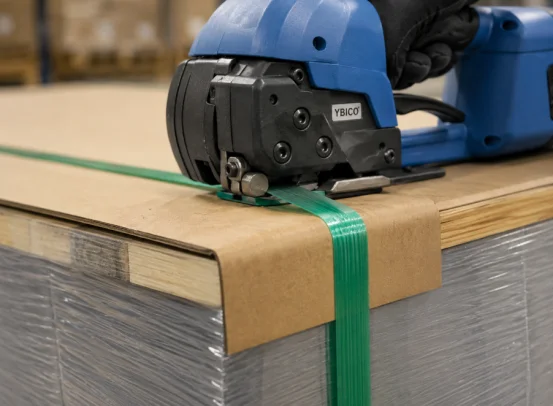
How Should Strap Size Match the Equipment?
Correct strapping width and thickness matter for load control and strapping equipment compatibility. A thick strap can jam or weld poorly. A narrow strap may run smoothly but lack strength.
Manual and Machine Strapping
Manual strapping suits low-volume or mobile work. A tensioner tightens the band, while pliers close a metal buckle. The process needs no power, and suitable hand tools can work with PP, PET, flexible fiber, or steel straps.
Machine strapping suits repeated carton sizes and higher output. Fully automatic bands are commonly 6 to 13 mm wide and 0.6 to 0.9 mm thick. Pneumatic tools may accept PP or PET from roughly 13 to 25 mm wide and 0.4 to 1.5 mm thick. Check the tool range before ordering. The available packaging range also covers winding film, baler machines, and accessories.
Which Strap Fits Common Industrial Applications?
Real industrial strapping applications rarely follow one tidy rule. Use PP for regular cartons and lighter goods. Move toward PET as weight, impact, or retained tension rises.
Cartons, Logistics, and Home Appliances
PP is often enough for cartons, round tinplate containers, and stable appliance packaging. In logistics, PP and PET can secure cartons or reinforce stacked goods. Stretch film can reduce dust, moisture, and scattered loads.
Timber, Paper, Ceramics, and Metal
PET is a common starting point for timber, panels, paper, ceramics, and building materials. Metal products may need high-strength PET or steel. Heat, sharp edges, and load severity should decide that step, not habit.
What Should You Check Before Buying?
A low coil price can hide short length, weak joints, or uneven material. Check raw material, straight edges, flexibility, size tolerance, actual coil length, strapping tensile strength, and bonding strength. Good bands should feel flexible and seal consistently.
Custom requirements also matter. PP and PET strap options come in different colors and specifications, with logos or text printed for load identification, sorting, or customer-facing packaging.
Where Does Weide Chuangyi Packaging Fit into Strap Selection?
Once the load, strap, and tool are considered together, supplier capability becomes part of the decision. Weide Chuangyi Packaging combines material development, production, and sales, covering PP and PET straps, winding film, baler machines, and accessories. This helps when you need strapping equipment compatibility rather than an isolated coil.
The supplier supports light and medium cargo, pallet fixing, narrow machine bands, and heavier PET applications. Color, specification, logo, and text customization are available. Buyers can match the strap to the package, machine, and identification needs instead of forcing one product into every job.
FAQ
Q1: What Is the Best Strap for Packaging?
A: PP is usually suitable for light cartons and stable bundles. PET is better for heavier pallets, longer trips, and loads that settle.
Q2: Can PET Strapping Replace Steel Strapping?
A: It can in many packaging jobs because it has high strength, impact resistance, no rust, and safer edges. Very hot, sharp, or exceptionally heavy loads may still need steel.
Q3: What Width and Thickness Should You Use?
A: Match strapping width and thickness to the load and the approved range of your tool. Do not choose by thickness alone.
Q4: Can a Packaging Strap Be Used for Lifting?
A: No. Packaging straps secure goods during storage and transport. They are not lifting slings unless specifically made and certified for lifting.
Q5: How Can You Tell Whether a Strap Is Good Quality?
A: Check material consistency, flexibility, straight edges, accurate size, tensile performance, joint strength, and the actual length supplied on each coil.
