
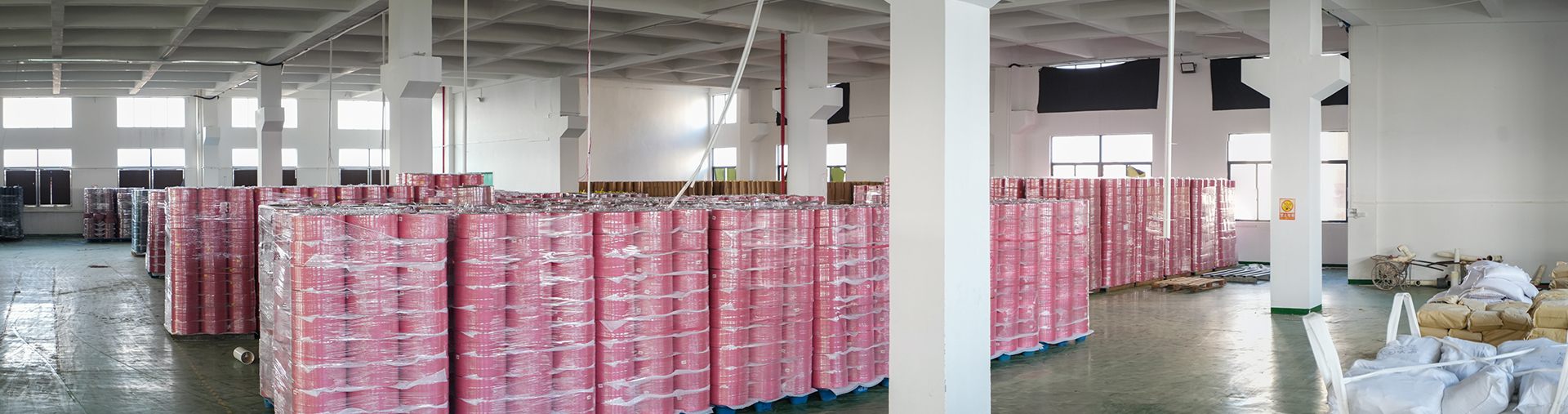
Machine Stretch Film for Pallet Wrapping: How to Reduce Film Waste and Improve Load Stability
2026-06-19For warehouses, logistics centers, and factories that run pallet wrapping equipment every shift, machine stretch film for pallet wrapping is not just another packaging consumable. It affects film use per pallet, machine uptime, load containment, transport safety, and the amount of rework on the floor. When the film grade does not match the automated line, the problems usually show up fast. Film snaps during wrapping. Operators add extra layers to feel safe. Pallets look wrapped but still shift during transport. In the end, material cost rises while load stability does not improve much.

Why Automated Packaging Lines Use Too Much Stretch Film
Automated pallet wrapping is often expected to save labor and make every pallet look the same. That only happens when the film, machine setting, and load condition work together. If one part is wrong, the line may still run, but film waste starts to build up across hundreds of pallets.
A common situation is simple. A warehouse notices that loads are not tight enough, so operators add more top wraps or increase the number of rotations. The pallet may look better for a moment, but the extra film does not always create stronger containment force. If the film lacks stretchability, the pre-stretch system is not set correctly, or the load has sharp edges and unstable corners, more layers only add cost.
Film waste can also come from poor overlap settings, loose film tails, uneven pallet stacking, low wrap force, or machine rollers that no longer pull the film smoothly. For B2B buyers, the answer is not always a thinner roll. The better decision is to choose machine grade stretch film that fits the wrapper, the pallet weight, and the shipping environment.
How Machine Grade Stretch Film Supports Load Containment
Load containment is the holding force that keeps cartons, bags, or boxed products together during handling and transport. In real warehouse work, this is more important than whether the pallet looks neat at the end of the wrapping cycle. A clean-looking pallet can still lean, loosen, or shift if the film does not hold the load with steady force.
Machine grade stretch film is made for semi-automatic and automatic pallet wrapping equipment. Compared with hand wrapping, machine wrapping applies tension more consistently and gives buyers a repeatable packaging result. That matters in high-volume operations where the same load type may be wrapped dozens or hundreds of times a day.
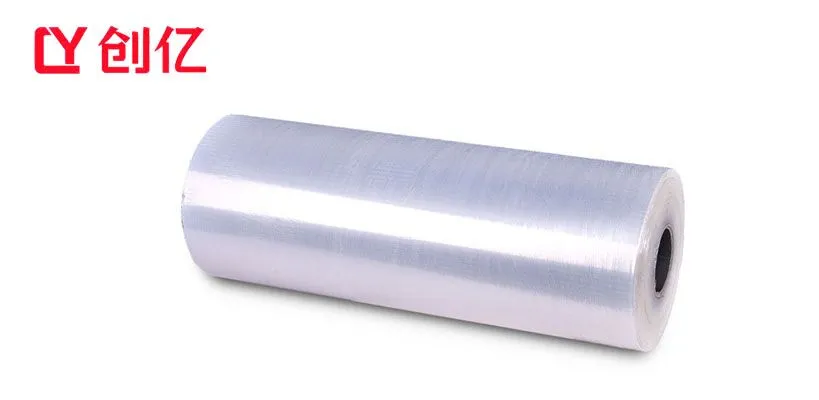
Weide Chuangyi’s Machine Stretch Film belongs to its Winding Film Series. The product is described as ultra-thin, tough, transparent, self-adhesive, and low-temperature resistant. These properties are useful on automated pallet wrapping lines because the film needs to stretch evenly, cling well, resist punctures, and keep goods visible for barcode scanning, warehouse checks, and shipment inspection.
Common Problems on Automated Pallet Wrapping Lines
Machine stretch film breaks during wrapping
Film breakage is one of the most common problems on automatic or semi-automatic wrapping lines. It interrupts production, wastes film, and forces workers to restart the wrapping cycle. The cause may be excessive pre-stretch, sharp carton corners, poor threading, worn rollers, unstable wrap force, or a film grade that is not suitable for the machine.
The break point gives useful information. If the film breaks near the pallet corner, the load profile may be too sharp or poorly stacked. If the break happens inside the machine, the pre-stretch system, roller condition, or film path should be checked before blaming the film roll alone.
Pallet loads shift during transport
Pallet load shifting often means the wrap did not provide enough containment force. A pallet may look stable at the end of the line, then loosen after forklift handling, truck vibration, container movement, or warehouse transfer. This is common with tall loads, mixed cartons, uneven stacking, and goods with gaps between layers.
For heavier shipments, stretch film should not carry the whole job alone. PP strapping, PET strapping, or paper corner protectors may be added when the load needs extra structure. Weide Chuangyi supplies stretch film, PP strap, PET strap, paper corner protector, and related packing materials, which allows buyers to build a more complete pallet packaging solution for different shipping conditions.
Too much film is used per pallet
High film use usually comes from uncertainty. Operators may add extra wraps because the current film does not feel strong enough, the load is unstable, or the machine recipe has never been tested properly. This creates higher packaging cost and more plastic waste, but it may not improve pallet stability in a meaningful way.
A better method is to test film grade, pre-stretch ratio, wrap force, and overlap as one system. The right machine stretch wrap should give enough holding force without unnecessary layers.
How to Choose the Right Machine Stretch Film
The best machine stretch film is not always the thickest option. A suitable film should run smoothly on the equipment and provide enough holding force for the real load. Buyers should consider pallet weight, load shape, edge sharpness, transport distance, storage temperature, wrapping speed, and the pre-stretch capability of the machine.
For light warehouse loads, clarity, cling, and stable unwinding may be the main concerns. For heavy pallets, export shipments, mixed cartons, or goods with irregular edges, toughness and puncture resistance become more important. Transparent film is also useful because workers can identify labels, barcodes, and carton markings without cutting away the wrap.
A practical supplier should ask about the application before quoting. Film waste reduction depends on more than roll weight and thickness. It also depends on machine setup, operator habits, pallet condition, and the way goods move after wrapping.
How to Reduce Film Waste Without Losing Pallet Stability
Reducing stretch film waste requires control, not guesswork. Cutting too many wraps can create loose pallets. Using too much film raises cost and slows the line. The right point sits between film economy and safe containment.
Warehouses can start by checking where film breaks, how many wraps are used, whether the pre-stretch system works properly, and whether the pallet is stacked squarely. Wrap force and overlap should be adjusted gradually, then tested under real handling conditions. Once a reliable wrapping recipe is found, it should be recorded for similar products so different shifts do not change settings based on habit.
For long-distance transport, machine stretch film can work with PET strapping and paper corner protectors. This combination helps reduce pallet movement, spread edge pressure, and protect goods during loading, storage, and delivery.
About Foshan Weide Chuangyi Packaging Materials Co., Ltd.
Foshan Weide Chuangyi Packaging Materials Co., Ltd. is a packaging material supplier integrating research and development, production, and sales. Founded in 2004 and located in Foshan, the company has a 10,000-square-meter production base and 12 product inspection standards.
The company focuses on PP strap, PET strap, fully automatic PP strap, semi-automatic PP strap, Stretch Film, Paper corner protector, and related packaging materials. Its products are used in electronics, hardware, furniture, clothing, logistics, electrical appliances, and other industries. For B2B buyers, Weide Chuangyi provides practical product options for pallet wrapping, carton packaging, strapping, load protection, and export packaging.
Conclusion
Machine stretch film for pallet wrapping has a direct effect on film waste, load containment, and packaging consistency on automated lines. The goal is not to wrap every pallet with more film. The real goal is to match the right film grade with the right machine setting, load structure, and transport condition. When stretch film has suitable toughness, cling, clarity, and machine compatibility, warehouses can reduce film breakage, lower unnecessary material use, and improve pallet stability. With Machine Stretch Film, Hand Stretch Film, PP strap, PET strap, paper corner protector, and accessory products, Foshan Weide Chuangyi Packaging Materials Co., Ltd. supports B2B packaging users that need stable and repeatable pallet packaging.
FAQs
Q1: What is machine stretch film used for?
A1: Machine stretch film is used on semi-automatic and automatic pallet wrapping machines to secure cartons, bags, boxes, or industrial goods on pallets. It helps improve load stability, reduce manual wrapping differences, and support faster warehouse packaging.
Q2: How can machine stretch film reduce film waste?
A2: Machine stretch film can reduce film waste when it matches the wrapping machine, pre-stretch setting, pallet weight, and load shape. A suitable film grade can provide holding force with fewer unnecessary layers, lowering film usage per pallet.
Q3: Why does machine stretch film break during wrapping?
A3: Machine stretch film may break during wrapping because of excessive pre-stretch, sharp carton edges, poor threading, worn rollers, unstable tension, or a film grade that does not fit the machine. Checking the break point helps identify the cause.
Q4: What stretch film is best for automated pallet wrapping?
A4: The best stretch film for automated pallet wrapping should have stable stretchability, good cling, toughness, clarity, and puncture resistance. Buyers should choose according to pallet weight, wrapper type, load shape, storage condition, and transport distance.
Q5: How do I improve pallet load stability with stretch film?
A5: Pallet load stability can be improved by using the right machine stretch film, setting proper wrap force, keeping suitable overlap, stacking cartons evenly, and adding PET strapping or paper corner protectors when the load is heavy, sharp-edged, or used for export shipping.

