
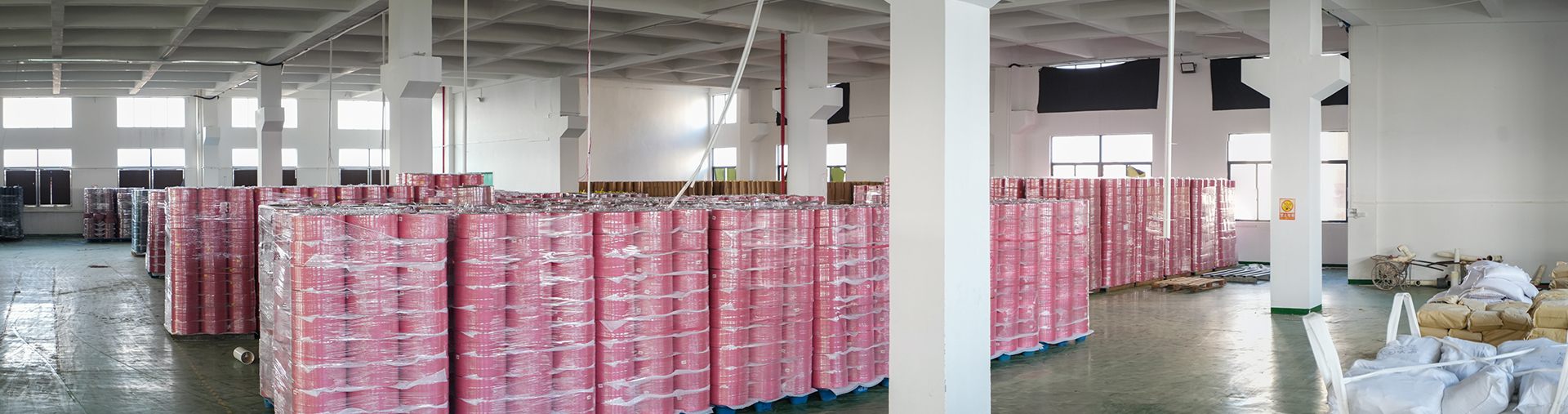
How to Prevent Pallet Damage from Strapping: Edge Protectors, Tension, and Better Load Stability
2026-06-18For warehouses, exporters, packaging distributors, and factory buyers, prevent pallet damage from strapping is a practical issue tied to cargo claims, repacking labor, and customer satisfaction. Strapping is meant to hold goods firmly, but when strap tension, carton strength, pallet shape, and edge protection do not work together, the same strap can crush cartons, cut into corners, loosen during transport, or leave visible pressure marks on finished packaging.
Pallet damage during strapping is rarely caused by one material alone. In most cases, it comes from several small problems in the packing process. The strap may be too narrow for the load. The tension may be too high. The cartons may have soft edges. The pallet may shift after forklift handling. Without edge protectors for pallets, the force of PP strapping or PET strapping is concentrated on a small area, which increases the risk of carton edge damage and unstable loads.

Why Pallet Damage Happens During Strapping
Pallet damage often starts at the contact point between the strap and the package. When a narrow strap is pulled tightly across a carton corner, the pressure is not spread evenly. If the carton wall is weak, or if the product has a sharp edge underneath, the strap can dig into the surface. This is why many buyers search for “why does strapping damage cartons” or “how to stop straps cutting into boxes” after a shipment has already created complaints.
Tension is another common reason. Operators sometimes tighten the strap more because the load looks unstable. That may feel safer, but too much strapping tension can crush carton corners, bend lightweight packaging, or make pallet edge damage worse during transport. Proper strapping technique should create holding force without damaging the product or outer package.
The shape of the load matters as well. Mixed cartons, tall pallets, uneven stacking, and products with hard edges all increase pressure points. Once the pallet moves in a truck, container, or warehouse, friction builds at the strap contact area. Small dents can become torn cartons or broken edges before the goods reach the buyer.
How Edge Protectors Reduce Strap Pressure
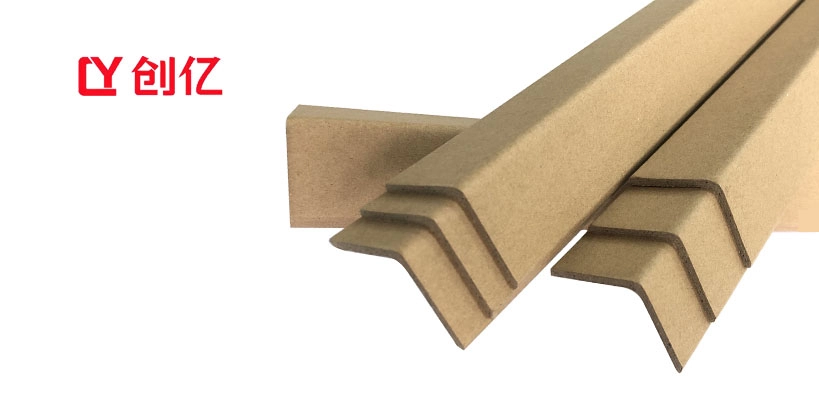
Edge protectors for strapping work by spreading strap pressure over a wider surface. Instead of letting PP strapping or PET strapping press directly into one carton edge, the protector creates a stronger contact area. This helps reduce carton edge damage, pressure marks, and strap cuts.
A paper corner protector is especially useful when goods are stacked on pallets for shipping. It helps bind products together, supports a cleaner package shape, and protects product edges while the goods are secured on the pallet. For exporters, wholesalers, and factories shipping fragile or boxed products, this small component can make a visible difference.
In real packaging operations, paper corner protector for pallet shipping is often used with plastic strapping and stretch film. The protector helps carry part of the strap force, while the film keeps the load together and reduces dust exposure. The result is not only better appearance. It also improves pallet load stability during handling and long-distance transport.
Proper Strapping Technique Matters as Much as Material
A strong strap cannot fix poor technique. If the strap is placed too close to the edge, pulled over a weak carton corner, or tensioned unevenly, damage can still happen. This is why pallet strapping best practices should include strap placement, tension setting, and load condition.
For cartons, the strap should pass over a firm area whenever possible. When the carton edge is soft or easy to deform, edge protection should be added before tightening. For taller pallets, vertical strapping may help keep the load connected to the pallet base. For loads that can spread outward, horizontal strapping or stretch film may be needed to keep cartons aligned.
The tension setting should match the material and package strength. PP strapping is suitable for many light and medium-duty cartons, bundled goods, and pallet fixing applications. PET strapping is better suited for heavier pallets, export packaging, hardware, building materials, furniture, and appliances that need stronger holding force. The goal is not to use the highest tension possible. The goal is to create stable containment without crushing the load.
When to Use PP Strapping, PET Strapping, and Paper Corner Protectors Together
Different packaging jobs need different combinations. For light cartons, PP strapping may be enough when the cartons are strong and the transport distance is short. For heavier pallets, PET strapping for pallets provides stronger tensile performance and better support during shipping. When the load has sharp corners, soft cartons, or a high risk of pressure marks, paper corner protectors should be added.
For example, a warehouse shipping small hardware cartons may use PP strapping with corner protectors to reduce edge dents. A furniture or home appliance exporter may choose PET strapping with edge protectors and stretch film because the load is larger and the transport route is longer. A ceramics or building material supplier may need stronger strapping, careful tension control, and edge protection to prevent strap cuts and product movement.
For B2B purchasing teams, the most practical approach is to test the full package, not only the strap. A sample test should include the carton, pallet, protector, strap, tool, and expected shipping method. This gives a more accurate view of how the package will perform in actual handling.
How to Prevent Pallet Damage During Shipping
Preventing pallet damage during shipping requires more than tightening the strap. The pallet should be stacked squarely, with weight distributed evenly and no loose cartons around the edges. Stretch film can help keep cartons together, while paper corner protectors reduce direct pressure from the strap. PET strapping or PP strapping then adds holding force based on the load weight.
Forklift handling, container vibration, warehouse stacking, and road transport all test the package. If the load shifts, the strap begins to carry uneven stress. If the corner is unprotected, the strap may cut into the carton. If the film is too loose, cartons may move under the strap. A good pallet packaging damage prevention plan treats strapping, wrapping, edge protection, and stacking as one system.
Why Work with Foshan Weide Chuangyi Packaging Materials Co., Ltd.
Foshan Weide Chuangyi Packaging Materials Co., Ltd. is a packaging material supplier integrating research and development, production, and sales. Founded in 2004, the company has 21 years of packing belt production experience, a 10,000-square-meter production base, and 12 product inspection standards.
The company focuses on PP strap, PET strap, fully automatic PP strap, semi-automatic PP strap, stretch film, paper corner protector, packing tools, and related packaging materials. Its products serve electronics, hardware, furniture, clothing, logistics, electrical appliances, and other industries. For B2B buyers, Weide Chuangyi provides practical material options for carton packaging, pallet fixing, export packaging, and load protection.
Conclusion
Pallet damage from strapping usually happens when pressure is not controlled. High tension, narrow straps, weak carton edges, uneven stacking, sharp corners, and poor load stability can all lead to carton dents, edge cuts, and shipping damage. Edge protectors, proper strapping technique, suitable PP or PET strapping, stretch film, and stable pallet stacking can work together to reduce these risks. Foshan Weide Chuangyi Packaging Materials Co., Ltd. supports B2B packaging users with PP strapping, PET strapping, paper corner protectors, stretch film, and accessories for safer and more reliable pallet packaging.
FAQs
Q1: Why does strapping damage cartons during shipping?
A1: Strapping damages cartons when the strap tension is too high, the carton edge is weak, or the strap presses directly into a small contact area. Edge protectors for pallets help spread the pressure and reduce carton edge damage.
Q2: How do I stop straps from cutting into boxes?
A2: To stop straps from cutting into boxes, use proper strapping tension, choose the right strap width, place the strap over stronger areas, and add paper corner protectors where the strap touches the carton edge.
Q3: When should I use edge protectors for strapping?
A3: Edge protectors should be used when cartons have soft corners, goods have sharp edges, pallets are tall or heavy, or the shipment will face long-distance transport. They are also useful when visible pressure marks on packaging must be reduced.
Q4: Is PP strapping or PET strapping better for pallets?
A4: PP strapping is suitable for light and medium-duty cartons and pallet fixing. PET strapping is usually better for heavy pallets, export packaging, hardware, building materials, furniture, and appliances that need stronger holding force.
Q5: How can I improve pallet load stability before export shipping?
A5: Pallet load stability can be improved by stacking cartons evenly, using proper strapping technique, adding paper corner protectors, wrapping with stretch film, and choosing PP or PET strapping based on load weight and transport distance.
