
PET Strapping vs Steel Strapping: Is It Strong Enough for Heavy Loads?
2026-06-26Managing heavy-duty industrial packaging requires structural integrity, consistent load containment, and a clear view of overall material expenses. For decades, traditional operations relied exclusively on heavy steel bands to secure heavy loads like brick stacks, aluminum extrusions, and heavy pallets. However, modern polymer manufacturing has introduced high-performance alternatives that directly challenge the necessity of metal bands. Industrial procurement managers frequently question whether a plastic alternative can truly deliver the heavy-duty performance required for securing heavy loads during brutal transit conditions. Examining the mechanical data, operational safety impacts, and cost implications reveals why international supply chains are making a strategic shift in their regular packaging setups.

Quick Comparison: PET vs. Steel Strapping
Making a factual comparison between polyester materials and traditional steel bands requires looking at specific engineering parameters rather than superficial material rigidity. While cold-rolled steel provides an incredibly rigid initial hold, it completely lacks the capacity to adapt to changing cargo dimensions during extended logistics cycles. High-performance polyester bands behave differently under stress, utilizing specific material properties to maintain tension where metal strips fail.
|
Feature |
PET (Polyester) Strapping |
Steel Strapping |
|
Tensile Strength |
High (with elastic recovery) |
Extremely High (rigid) |
|
Elongation Recovery |
5% – 12% (Excellent) |
< 1% (Poor) |
|
Cost Efficiency |
Saves up to 50% |
Expensive |
|
Workplace Safety |
High (No sharp edges) |
Low (Snapback hazard) |
The engineering data proves that raw tensile strength is only one part of the structural equation. For heavy loads that shift, settle, or contract during ocean transit or rough trucking routes, the ability of the band to recover its original length dictates whether the load arrives intact or collapsed.
Why Heavy Industries are Switching to Heavy-Duty PET Strapping
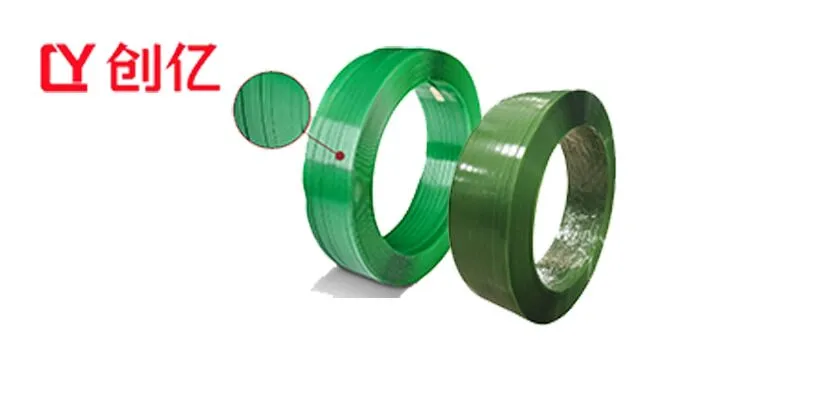
The operational transition from steel coils to synthetic packaging bands is driven by distinct physical performance advantages that directly impact the bottom line of heavy manufacturing plants.
Elite Tensile Strength & Elastic Recovery
The primary hesitation among procurement specialists regarding heavy duty pet strapping centers on pure load-bearing capacity. It is a common misconception that synthetic bands will simply snap under the pressure of multi-ton timber bundles or concrete blocks. High-grade polyester options, such as the heavy-duty bands manufactured by Foshan Weide Chuangyi Packaging Materials Co., Ltd., are specifically engineered to provide a break strength that matches standard steel variants millimeter for millimeter.
The true operational advantage, however, lies in a metric known as elongation recovery. When a heavy cargo flatbed hits a deep pothole or experiences sudden braking, the shock loading forces exerted on the structural tie-downs spike instantly. Steel strapping has an elongation recovery rate of less than one percent, meaning that once it stretches under sudden impact, it remains permanently deformed and loose. Polyester strapping maintains an elastic memory between five and twelve percent, allowing the band to stretch slightly to absorb the kinetic energy of the shock loading and then snap back tightly to its original tension. This continuous retaining tension prevents the individual units within a heavy load from shifting loose during violent shipping movements.
Massive Cost Savings per Meter
Evaluating the financial impact requires a shift from raw weight purchasing to functional yield calculations. Industrial steel bands are traditionally purchased by the ton, but because steel is an incredibly dense, heavy material, a single ton yields a relatively short total linear footage of usable strap. Synthetic polyester possesses a much lower material density, meaning that a single ton of raw material produces roughly six times the total linear length of standard metal banding.
When calculated as a direct strapping cost comparison, switching to a dedicated synthetic system allows a mid-sized brick yard or metals service center to cut their direct packaging material expenditures by thirty to fifty percent annually. Furthermore, because the rolls weigh significantly less than heavy steel coils, handling labor is simplified, shipping costs for the raw materials drop, and storage space requirements within the warehouse are cut down drastically, providing affordable packaging solutions without sacrificing load security.
Elimination of Workplace Injuries and Cargo Damage
Operational safety represents another massive hidden cost center for heavy industrial facilities utilizing traditional metal bands. When an operator cuts a highly tensioned steel band during unpacking, the stored energy releases in an unpredictable, violent snapback action. These whipped metal edges easily slice through heavy work gloves, causing severe lacerations and facial injuries that drive up worker compensation claims and disrupt production schedules. Polyester options do not possess this dangerous spring-like kinetic energy, releasing smoothly when cut with a standard tool to create a inherently safe strapping band environment.
In addition to prioritizing employee welfare, synthetic bands protect the underlying product quality. Raw steel coils stored in humid staging areas or shipped across international waters inevitably rust, leaving dark, corrosive stains on pristine building stones, finished lumber, or bare aluminum profiles. Heavy-duty polyester bands are completely non-corrosive, meaning they remain structurally stable and rust-free when exposed to torrential rain, high humidity, or direct UV rays, functioning as a highly dependable non-corrosive packaging belt throughout the entire international logistics cycle.
When is Steel Strapping Still Necessary?
Even with the massive advancements in modern polymer technologies, industrial reality dictates that steel bands retain a specific, unassailable position in several extreme application environments. For example, in heavy metallurgical plants where steel coils or structural beams emerge from the processing furnaces at temperatures exceeding several hundred degrees, synthetic bands would melt instantly. High-temperature industrial packaging demands the absolute thermal resistance of cold-rolled steel.
Similarly, when dealing with massive, non-compressible cargo that features razor-sharp, raw-cut metal edges, such as scrap metal bundles or heavy industrial machinery components, synthetic materials run the risk of structural shearing if subjected to extreme shifting. In these specific, niche industrial scenarios, traditional steel strapping remains the industry standard, and understanding when to use steel strapping prevents catastrophic failure in highly specialized supply chains.
Actionable Solution: How to Seamlessly Transition to PET Strapping
Transitioning a high-volume packaging line from traditional steel to modern polyester requires a systematic approach to ensure that load retention remains uncompromised during the switch.
Step 1: Choose the Right PET Strapping Size
The process begins with a precise calculation of the load requirements. Industrial operations cannot simply use a generic plastic band for securing heavy loads. Facility managers must audit their heavy cargo weights and select a matching heavy-duty strap specification. For heavy loads like structural steel pipes or large concrete blocks, a premium 16mm or 19mm high-tensile polyester strap is standard. Choosing the correct thickness ensures that the break strength of the synthetic band satisfies all regulatory transit guidelines. Reviewing a comprehensive PET strapping catalogue allows procurement teams to precisely match their required breaking strains with the optimal bundle dimensions.
Step 2: Equip Your Team with the Right Strapping Tools
Because polyester behaves differently than metal, traditional steel tensioners and crimpers cannot be used. Transitioning to a high-efficiency synthetic setup requires investing in dedicated tensioning machinery. Handheld manual switch systems utilizing separate tensioners and heavy serrated seals work well for lower volume setups, but high-output production lines generally utilize a high-performance strapping tool that cuts, tensions, and friction-welds the polymer strap in a single rapid operation. These battery-powered or pneumatic tools heat the overlapping polyester friction points under extreme pressure, creating a molecular bond that retains up to ninety percent of the raw strap strength, ensuring the joint never slips under extreme load stress.
Conclusion
Replacing traditional steel packaging bands with high-performance polyester strapping is a proven method for heavy industries to lower material costs while simultaneously upgrading workplace safety margins. The unique combination of high break strength and superior elastic recovery ensures that heavy loads remain locked in place during the most demanding transit conditions. While specialized, ultra-high-temperature industrial packaging scenarios still require steel, the vast majority of heavy industrial operations can safely execute a transition to synthetic options. Partnering with an established, quality-focused manufacturing facility like Foshan Weide Chuangyi Packaging Materials Co., Ltd. allows international businesses to secure high-performance materials alongside the expert technical support necessary for a seamless integration.
Frequently Asked Questions
Q1: Can a plastic PET band really hold heavy loads without snapping?
A: Yes, high-tensile polyester strapping is specifically designed to replace steel for securing heavy loads. While traditional plastics like polypropylene stretch and fail under high stress, advanced polyester provides an elite breaking strength combined with unique elastic recovery. This allows the band to stretch during rough transit and snap back tightly, holding heavy loads far more effectively than rigid steel which stretches permanently loose after a heavy impact.
Q2: Do I need to replace all my existing packaging machines to switch to polyester?
A: Yes, because the physical properties of polymer and steel are completely different, traditional metal tensioners and crimping seals cannot be used on a synthetic line. Switching to a modern polyester setup requires utilizing a specific pneumatic or battery-powered tool designed to tension and friction-weld the polymer band together, creating a seamless joint without requiring metal seals.
Q3: How much money can an industrial factory save by shifting away from steel bands?
A: Most heavy industrial operations experience a direct raw material cost reduction of thirty to fifty percent after making the switch. Because steel is dense and heavy, a ton of steel strapping yields very little actual linear length. Polyester has a much lower density, meaning a single ton of raw material provides roughly six times the total footage of usable strap, drastically lowering the overall cost per meter.
Q4: Will heavy-duty polyester bands degrade or lose tension when stored outside?
A: No, high-grade polyester bands are completely non-corrosive and weather-resistant. Unlike steel bands that rust rapidly and stain cargo when exposed to moisture, synthetic packaging bands maintain their structural integrity and retaining tension through rain, extreme humidity, and extended exposure to direct sunlight.
