
PET vs. PP Strapping What You Need to Know for Better Recycling and Cost Efficiency
2026-04-02Green logistics and sustainability are more critical than ever, businesses must rethink their approach to waste management. From manufacturing to logistics, companies are paying close attention to recyclability, yet many are unaware of the gap between theoretical recyclability and the real-world acceptance of materials at recycling facilities.
As a leading global supplier that combines research and production, Weide Chuangyi Packaging knows these materials perform at recycling sites and the crucial role of proper sorting and cleanliness can make a significant impact on a company’s environmental footprint.

PET Strapping: The Recycling Gold Standard
High-Value PET Closed-Loop Recycling Potential
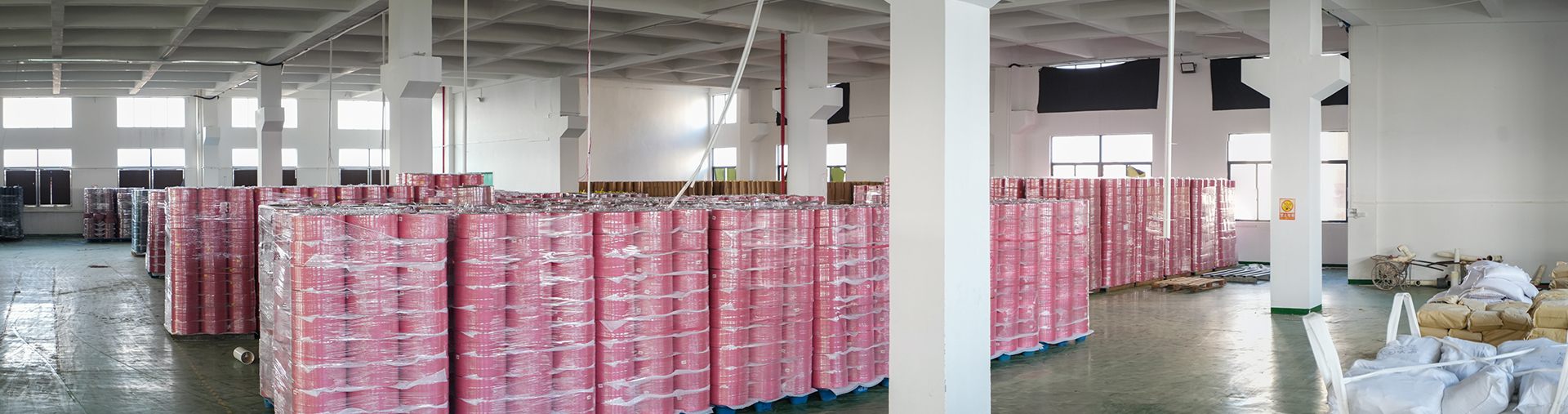
In the field of plastic packaging, PET stands out as a top choice for reuse cycles. It holds its shape well over multiple recycling rounds, which makes it popular with handlers. Our PET strapping belt / Heavy Duty Packing Belt serves as a “plastic-steel” option. It gives the power of metal but with plastic’s reuse benefits. This works well for tough tasks, such as packing magnesium ingots or construction supplies, where a strong pull is needed.
Weide Chuangyi Packaging High-Performance PET Solutions
We supply different sizes to fit various business demands. Our PET strapping belt / Heavy Duty Packing Belt stands out for its toughness and ability to resist dampness. This makes it better than old steel straps for storage over time. Plus, we provide Custom PP/PET strapping, which lets you adjust color and details. For sites that aim for top output, our smooth custom PET strapping tape offers a neat, steady shape. This eases work with granulators.
Market Demand for Recycled PET Flakes
A huge worldwide need exists for recycled PET (r-PET) bits. These turn into new strapping or polyester threads for clothes. When firms pick our PET strapping belt / Heavy Duty Packing Belt, they make sure their waste holds good “scrap value.” This cuts down on costs for handling waste. It also meets goals for Corporate Social Responsibility (CSR).
PP Strapping: Lightweight Efficiency vs. Recycling Reality
Challenges of Downcycling Polypropylene Materials
Polypropylene serves as a flexible choice for light to medium packing straps. Still, in terms of strapping recyclability, PP often faces “downcycling.” That is, it usually becomes products of lesser worth, not fresh strapping.
Weide Chuangyi Packaging Optimized PP Strapping Design
Over many years, we have improved our PP mixes. Our 5 mm PP strapping tape/machine strapping tape shows this well; it is our thinnest option and built for high length per weight unit. This means you need less by mass to tie the same packages, which lowers waste from the start. In automated setups, our fully automatic PP strapping tape and semi-automatic PP strap run without hitches. They cut down on breaks, which means fewer thrown-away scraps in packing lines.
Volume and Collection Hurdles for PP
PP’s light weight creates issues. It requires a large amount to make recycling pay off for a site. We guide clients in the logistics and home appliance fields to pack their PP strapping belt waste into tight bundles. Such steps make the material more appealing to centers that might skip loose, airy plastic. Take a warehouse handling 1,000 cartons daily; baling PP straps there can fill a truckload in just two weeks, making pickup worthwhile.
Real-World Rules at Waste Management Facilities
Minimum Volume Requirements for Material Acceptance
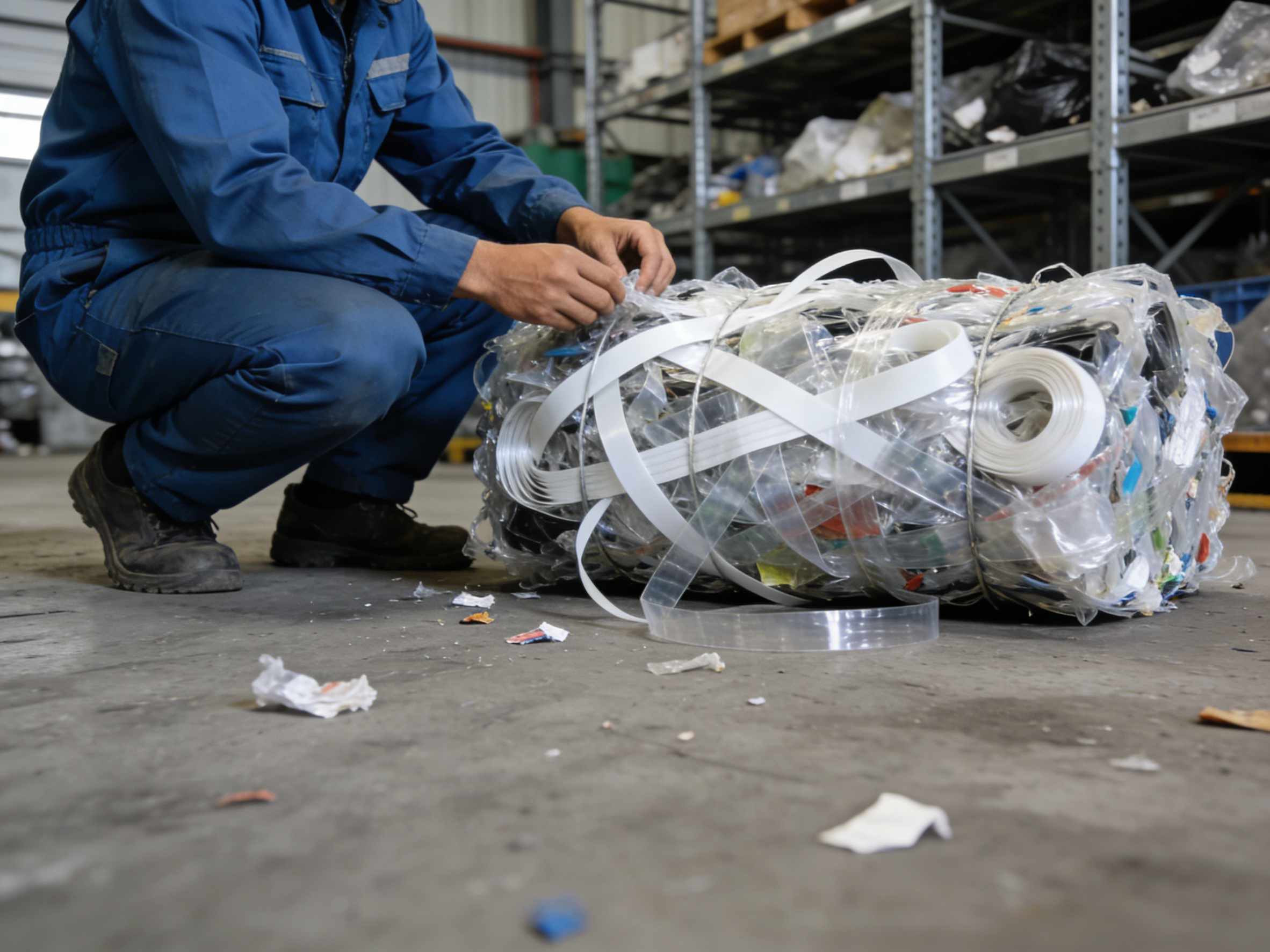
Sites seldom take tiny amounts of plastic strapping. To boost your strapping recyclability chances, gather enough to form a full bale. This simplifies moving and shipping to the recycler.
The Impact of Color and Additive Contamination
In recycling, clear materials rule. Plastics with heavy colors prove tough to recolor later. Though we offer Custom PP/PET strapping in many shades and even with your LOGO printed, we advise sticking to plain green or see-through PET if reuse volume matters most. Our Custom PP/PET strapping lets you mix brand needs with eco rules.
Baling Requirements for Industrial Plastic Waste
Blending types is a fast way to get a shipment turned away. A bale with both a PP strapping belt and a PET strapping belt counts as mixed because of their different melt points. We give advice to clients on sorting these at the origin. Tools like our Packing pliers manual allow quick pull-off and grouping of straps while unpacking.
Strategic Selection for Global B2B Operations
Aligning Material Choice with Regional Policies
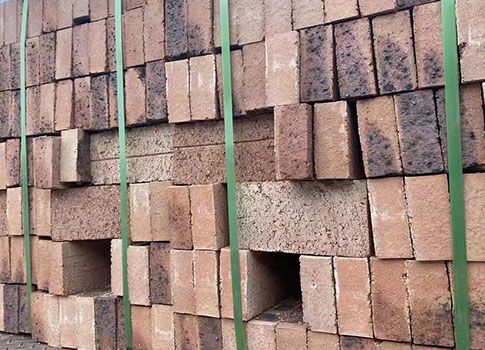
Areas differ in “Extended Producer Responsibility” (EPR) laws. Some places require PET for its strong reuse rate. Our team at Weide Chuangyi Packaging teams up with global partners to match local needs. In building work, for example, our PET strapping belt / Heavy Duty Packing Belt suits packing bricks without pallets.
Leveraging Weide Chuangyi Packaging Customization for Compliance
Sustainability varies by case. We supply Custom PP/PET strapping so that the width, depth, and pull strength fit the cargo exactly. This avoids extra packing and cuts waste. Our 5mm PP strapping tape/machine strapping tape, say, works great for small boxes in clothing or electronics. It secures without added weight.
Balancing Load Security and Environmental Impact
The worst waste happens when goods break. Damaged items double the carbon use from returns and fixes. If you ship solar panels needing the accuracy of our high-performance PET strapping or fruit boxes with our PP strapping belt, we make sure arrival is safe. Items like our PET strap steel buckle add support to stop box failures and pricey comebacks.
Conclusion
When it comes to Strapping Recyclability, the materials you choose play a crucial role in shaping your environmental impact and cost efficiency. Understanding the mechanics of recycling, from sorting to handling contamination, is key to enhancing your business’s recyclability rates. By aligning your practices with Weide Chuangyi Packaging’s high-performance solutions, you not only support sustainability but also optimize cost-efficiency in your supply chain.
Ready to make a positive environmental impact? Contact Weide Chuangyi Packaging today to learn how our high-quality, recyclable strapping solutions can elevate your sustainability efforts and streamline your waste management processes. Let’s work together to create a cleaner, greener future.
FAQ
Q: Is plastic strapping recyclable in curbside bins?
A: In general, no. Most home recycling programs turn down plastic strapping. The long, slim strips can snag on sorting machine gears and cause breakdowns. Businesses need to partner with industrial waste handlers. These use special presses for proper strapping recyclability.
Q: Which is better for the environment, PP or PET strapping?
A: PET tends to edge out for eco benefits. It recycles well and can form high-grade strapping again (closed-loop). Our PET strapping belt / Heavy Duty Packing Belt shows this clearly. PP recycles too, but it often shifts to lower-end items like plastic wood.
Q: How to prepare used strapping for a recycling facility?
A: Sites usually want strapping pressed into tight, type-specific bales. Putting the PP strapping belt and the PET strapping belt together often gets the load denied for mixing.
Q: Does color affect the recyclability of Weide Chuangyi Packaging straps?
A: Yes, while Weide Chuangyi Packaging supplies Custom PP/PET strapping in various colors, clear or green draws the most interest from recyclers. Straps that are deeply tinted or dark may fetch less value in reuse but still go through in factory setups.

