
Recycling Shrink Wrap: Common Mistakes and Better Packaging Practices
2026-07-24
Introduction: Why Shrink Wrap Recycling Matters in Packaging Operations
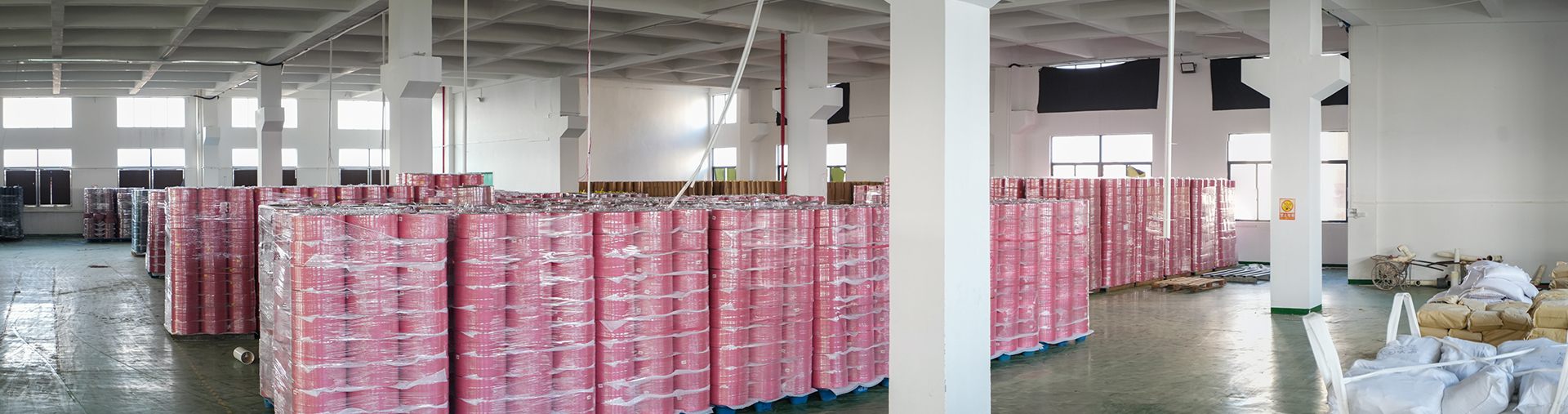
Most people consider recycling Shrink Wrap to be an environmental exercise. In fact for many warehouses, factories and wholesale packing operations recycling their Shrink Wrap forms part of their general waste disposal work. Shrink Wrap is used for a number of purposes, mainly to prevent damage to products and to keep them clean and dry. The film is often wrapped around entire pallets of goods to hold them steady until the pallet is unwrapped at its destination. Once unwrapped the large sheet of film is discarded. It can very quickly become packaging waste if no provision is made for its recycling.
We get a lot of inquiries from busy warehouses about the volume of material they go through. And it can be a lot. But even one loading dock can be enough to go through dozens to hundreds of pallets of material per week. Clean and dry shrink wrap can typically be sent to the plastic film recycling stream. But dirty film, wet film, or film that has been contaminated with straps, labels, Etc. is not typically accepted in the recycling stream and can be the root of many shrink wrap recycling problems.
What Is Shrink Wrap Made Of?
Understanding LDPE Shrink Wrap
Most commercial shrink wrap is LDPE shrink wrap. This type of shrink wrap is also known as low-density polyethylene shrink film. Because it is so light, yet soft and flexible, it can be wrapped around products before they are allowed to cool, returning to its original shape until it is heated with a heat gun, hair dryer or heat band. This is why it is used to make pallet covers, product bundles, storage covers and to protect equipment. It is also used as a type of industrial packaging film.
LDPE shrink wrap does not disappear quickly in a landfill. For this reason, shrink wrap disposal should be handled with care. When recyclable shrink wrap is collected in the right way, it may be sent into LDPE film recycling instead of being treated as ordinary trash.
What Does No. 4 Plastic Mean?
LDPE film is typically labeled as “No. 4 plastic” which can be helpful for local recycling services; however, not all will accept this type of plastic. Thin plastic film can sometimes cause problems in the sorting process. It is best to check with your local recycling service and the recycler you plan to use for shrink film recycling to see what type of No. 4 plastic film they accept. In some cases, recycling services ask that businesses keep the film separate from other items such as bottles, corrugated cardboard, and other mixed plastics.
Common Mistakes When Recycling Shrink Wrap
Mistake: Mixing Shrink Wrap with General Waste
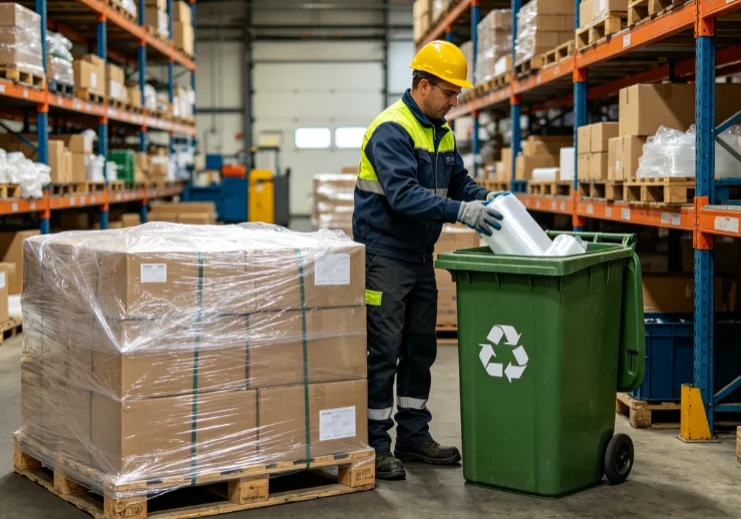
One of the biggest mistakes when it comes to recycling shrink wrap film is throwing used film in the normal waste bin. Once mixed with food waste, dust, used cardboard, broken packing parts, etc. it is generally too contaminated to be recovered. Try to sort the film as you put it near the pallet opening area.
Mistake: Recycling Dirty or Wet Film
Soiled shrink wrap is one of the main reasons for returned goods to be rejected by the recycler. Water, mud, oil, food stains, paper labels, tape and wood dust all make the film unsuitable for recycling. This means that clean, dry shrink wrap is far more valuable to the recycler than film that is otherwise made of recyclable plastics and is rejected by them because it is dirty.
Mistake: Leaving Non-Film Materials Attached
It’s best not to collect up shrink wrap with straps, buckles, cardboard, foam, rope, vents or metal clips attached. Yes, these items are small, but they can create problems for us when we are sorting through the recyclables. By removing them, we can keep the recycling shrink film neat and clean and make it easier for us to process it.
Mistake: Using More Film Than Needed
In attempting to recycle shrink wrap packaging some waste can occur before the recycling process has even begun. Pallets could be over-wrapped in excess of required coverage, thick films selected and not able to be appropriately heated, or other processes not managed effectively resulting in increased packaging waste. Implementation of improved packaging practices starts with proper selection and use of the film to be utilized for shrink wrap recycling.
Better Packaging Practices for Shrink Wrap Recycling
Choose the Right Film for the Job
First match the film with the load. A small retail pack does not need the same kind of film as outdoor machinery or as goods for export. A buyer searching for the right kind of shrink wrap for recycling purposes should find out the type, the strength, the thickness, the recycling code as well as the rules for recycling this type of film in the buyer’s country.
Set Up a Clear Collection Process
Simple rules to make shrink wrap recycling part of best practices for commercial shrink wrap recycling. Collections bags or bins should be placed in locations where materials are received, unpacked, stored on pallets or near loading docks. Reminders with signs to keep film dry and remove tape and labels when possible.
Work with the Right Recycling Partner
Not all recyclers can handle flexible film. Some companies require commercial film recycling while others can use a drop-off location or shared collection program. When it comes to plastic film recycling for businesses, it is helpful to find a recycling partner that can explain the materials that they accept, the typical pickup volume, the required level of cleanliness, and the amount of storage that is needed.
Brief Introduction to Weide Chuangyi Packaging
Weide Chuangyi Packaging is a supplier of packaging materials. We are an integrated enterprise of research & development, production & sales. We have 13 years of industry experience. The company has a production base of around 10,000 square meters. Our products are PP strap, PET strap, fully automatic PP strap, semi-automatic PP strap, stretch film, paper corner protectors and other packaging materials & packaging equipment.
For film packaging, the Winding Film Series includes machine stretch film and hand stretch film. Stretch film is different from shrink wrap. It holds goods through stretch tension, while shrink wrap uses heat shrinking. Even so, both are closely related to pallet protection, packaging waste control, and sustainable packaging choices. Buyers comparing shrink wrap, pallet shrink wrap, pallet wrapping film, and stretch film should consider load shape, storage time, machine setup, labor cost, and recycling options.
Conclusion: Recycle Shrink Wrap the Right Way, Not the Fast Way
Shrink wrap recycling works best when the film is clean, dry, separated, and sent to a recycler that accepts LDPE or No. 4 plastic film. The biggest mistakes are mixing film with trash, recycling contaminated shrink wrap, leaving non-film parts attached, and using too much film at the start. For warehouses, factories, and bulk buyers, better packaging practices can reduce packaging waste, improve recycling results, and support sustainable packaging while still protecting goods.
FAQ
Q1:Can shrink wrap be recycled by most businesses?
A:LDPE shrink wrap film can be recycled and often is picked up by local or commercial recycling facilities that accept No. 4 plastic film. It is always best to confirm the rules before throwing it in your recycling stream as some businesses may not accept it for recycling.
Q2:Why is dirty shrink wrap rejected by recyclers?
A:Dirty shrink wrap is often rejected because mud, water, tape, labels, oil, food waste, and other residues can contaminate the plastic film recycling process. Clean and dry shrink wrap is easier to sort, process, and recycle, which gives it a better chance of being accepted by recyclers.
Q3:How do warehouses reduce shrink wrap waste?
A:Reduce shrink wrap waste in your warehouse by selecting the correct film thickness, properly educate your staff, avoid over-wrapping products and establish a process to recycle the used shrink film near the pallets.
Q4:Where should businesses recycle shrink wrap?
A:Contact local recyclers, commercial film recyclers, waste management companies, and industrial collection programs to find out if they accept LDPE film for recycling. Curbside recycling programs are typically set up to handle regular recyclables and usually are not equipped to handle flexible plastic films such as grocery bags.
Q5:What is the best way to keep shrink wrap clean for recycling?
A:Remove tape, straps, labels, etc. off of film and store in dry collection area to improve acceptance and reduce chance of rejection.

