
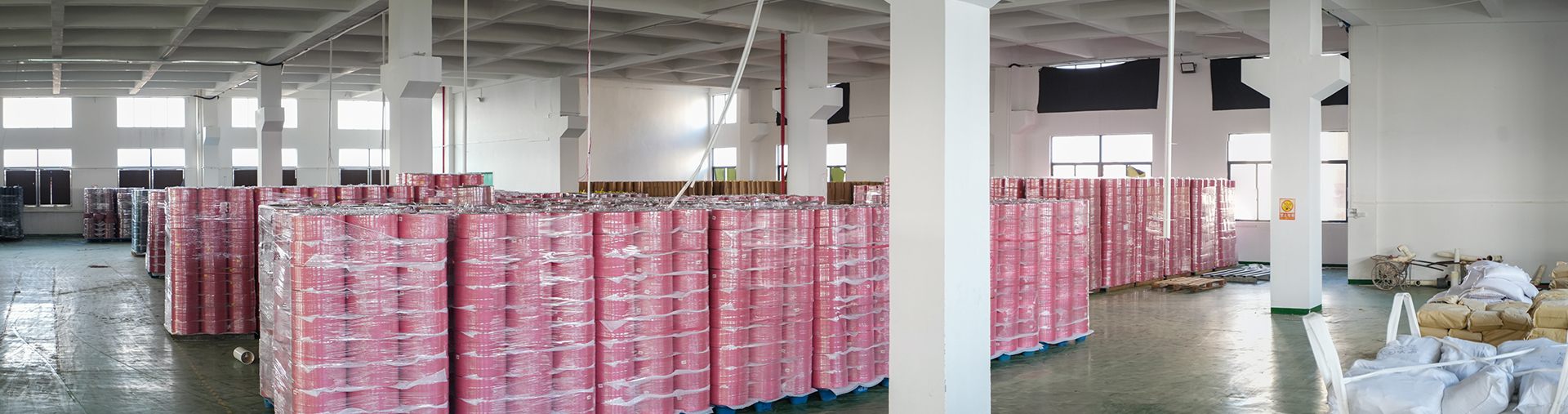
Reduce Pallet Costs with Weide Chuangyi PET Strapping Solutions
2026-04-24In the tough field of construction materials, how well your packaging process runs can mean the difference between solid profits and major headaches in logistics. Brick and tile makers have long depended on wooden pallets, but those are getting more costly due to climbing wood prices and endless fixes. At Weide Chuangyi Packaging, we know these issues well. We specialize in packaging supplies, blending research, manufacturing, and sales with more than 21 years in the business. We’ve watched how smart material choices can boost a plant’s finances. Many customers now use our strong PET strapping for bricks to switch to setups without pallets. Our goal goes beyond selling items; we offer a clear way to cut expenses via our PET strapping belt/Heavy Duty Packing Belt and tools such as the Pneumatic baler PET strap.
The Financial Burden of Traditional Pallet Packaging
Rising Costs of Wooden Pallets
For many years, wooden pallets served as the main support in the tile and brick sectors. Yet, the worldwide timber market has turned unstable, pushing up the price of good-quality pallets sharply. Think about a typical brick plant that uses thousands of these each month. The upfront buying cost hits hard on the cash flow. Plus, these pallets add extra weight to every load, which raises fuel use and shipping fees, all without improving the goods themselves.
Maintenance and Disposal Expenses
The extra costs of pallets go well past the first buy. Wooden ones often split, break, or decay, so they need ongoing repairs to stay safe for forklifts. When a pallet wears out, companies deal with dumping charges or the hassle of hauling old wood for reuse. On the other hand, a no-pallet approach with our PET strapping belt/Heavy Duty Packing Belt wipes out these repeated fix-up steps completely.
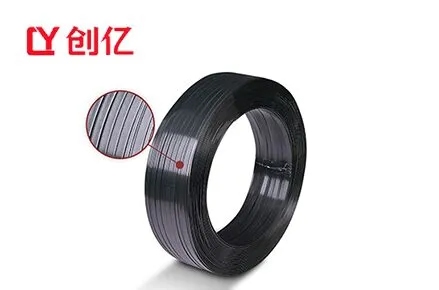
Shifting to Pallet-Free Packaging with PET Strapping
Strength of Heavy-Duty PET Strap
The biggest worry for makers eyeing a shift from pallets centers on how well the stack holds up. Will it stay intact over a 500-mile haul by truck? The solution comes from the key features of our products. Our PET strapping belt/Heavy Duty Packing Belt gets called “plastic steel” since it matches steel’s pull strength but bends more easily. Different from steel, PET has an “elastic memory” with a strong bounce-back ability. So, if bricks in a pile drop or move a bit in transit, the strap stays firm and keeps its grip.
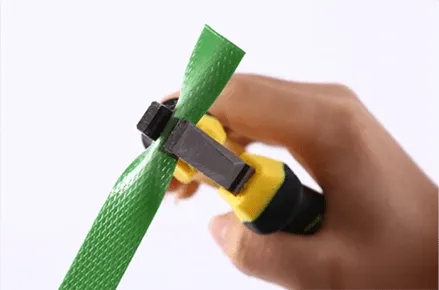
Securing Loads Without Pallet Support
No-pallet packaging is a fresh method where bricks or tiles stack in a pattern that allows forklift blades slide right into the base layer of items. For this to succeed, the pull needs to be very strong and spread out just right. We suggest our Pneumatic baler PET strap, which relies on air pressure to power a motor. This setup tightens, fuses, and trims each strap with exact control. Pair it with our Brown Paper Edge Protector Corner Protectors, and the force from the PET strapping for bricks spreads smoothly over the sides. That stops the strap from digging into the tiles. At the same time, it boosts the stack’s overall firmness.
Four Key Pillars of Operational Cost Reduction
Eliminating Direct Pallet Purchasing Costs
The quickest win from picking Weide Chuangyi Packaging options is removing the “pallet cost” from your spending plan. With our PET strapping belt/Heavy Duty Packing Belt, the price per packed item falls a lot. PET works as a cheap, reusable stand-in for wood and steel. So, plants get back their money fast.
Maximizing Warehouse and Transport Space
The room adds up to cash. A usual wooden pallet measures around 15cm high. In storage areas with four or five layers stacked, the pallets eat up almost a full meter of height that could hold more goods. Our 10,000 square meter site in Foshan shows how vital smart space use is. When you go pallet-free, you add extra layers of bricks in the warehouse. Even better, you pack more into each truck or container. This cuts down on delivery runs and makes better use of your storage area.
Enhancing Loading and Unloading Efficiency
Quick work at the loading area matters a lot for plants with high output. Pallets might look handy, but they create issues with bringing back empty ones, which need stacking and return shipping. Our Weide Chuangyi Packaging no-pallet method changes that. After cutting the PET strapping for bricks at the end point, there’s no heavy wood to manage—just a bit of plastic that recycles easily. Also, tools like the Pneumatic baler PET strap speed up the packing stage. Your crew handles more goods in shorter shifts.
Minimizing Breakage During Transit
Damage to goods quietly eats into earnings. Regular bricks and lightweight ones often chip on the edges if they bump during shipping. Our PET strapping belt/Heavy Duty Packing Belt absorbs jolts better than stiff steel bands. For more safety, we supply Machine Stretch Film and Stretch Film to wrap around the bound loads. This adds another layer of hold and blocks out dampness. Such a double-protection setup keeps your tiles and bricks in top shape at the job site. It lowers bills from refunds and unhappy buyers.
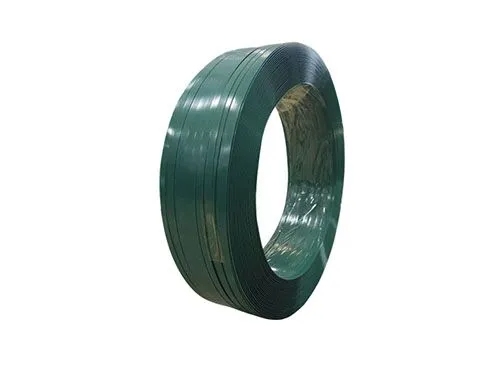
Conclusion
Moving from old pallet ways to no-pallet setups marks a big step up in daily operations for construction material firms. By taking on strong PET strapping for bricks from Weide Chuangyi Packaging, makers address the main expense areas: buying pallets, using storage, worker speed, and transit damage. Our 10,000 square meter plant and two decades of development know-how deliver the toughest, most wallet-friendly fixes available now. This change does more than bind a load; it streamlines your full supply path, showing that simpler methods often work best in today’s packing tech.
Contact Weide Chuangyi Packaging today to find out how our PET strapping belt/Heavy Duty Packing Belt can reduce your pallet expenses and lift your plant’s earnings.
FAQ
Q: Is PET strapping strong enough for heavy bricks?
A: Absolutely. Our PET strapping belt/Heavy Duty Packing Belt is built for the construction materials field. It delivers the strong pull and break resistance needed to secure thousands of pounds of bricks, acting as a reliable and lasting swap for steel bands.
Q: How does pallet-free packaging improve storage?
A: Traditional wooden pallets claim a lot of height space. By applying PET strapping for bricks to form no-pallet units, you stack items closer together. This uses the full warehouse height and lets you load extra product per truck, which trims shipping bills overall.
Q: Can a PET strap replace steel strapping for tiles?
A: In most situations, yes. Strong PET strap from Weide Chuangyi Packaging has a high bounce-back rate and “elastic memory,” so it keeps the load snug even if tiles shift in transport—unlike stiff steel. It’s also free of rust and much safer for staff to work with.
