
The Smarter Way to Secure Pallets: Stretch Film vs Traditional Shrink Wrap
2026-01-30The Role of Pallet Packaging in Logistics
Pallet packaging holds a key spot in today’s logistics world. It keeps goods steady, safe, and shielded all along the supply chain. Well-wrapped pallets face less damage. This setup makes handling smoother. It also cuts down on lost products. Two common materials stand out here: shipping wrap, or stretch film, and shrink wrap. These items help keep loads intact. They speed up work in warehouses, too. That’s why they form a vital part of any packaging plan.
Why Compare Shipping Wrap and Shrink Wrap
Shipping wrap and shrink wrap both secure items for travel. Yet they vary a lot in how they’re made, how you apply them, and what situations fit them best. Knowing these gaps matters a great deal. It helps pick the best option that matches your daily work, saves money, and meets safety rules. At Weide Chuangyi Packaging, we provide choices that work well in practice. Plus, we tailor them to what specific industries need.
Material and Application Differences
What Is Shrink Wrap
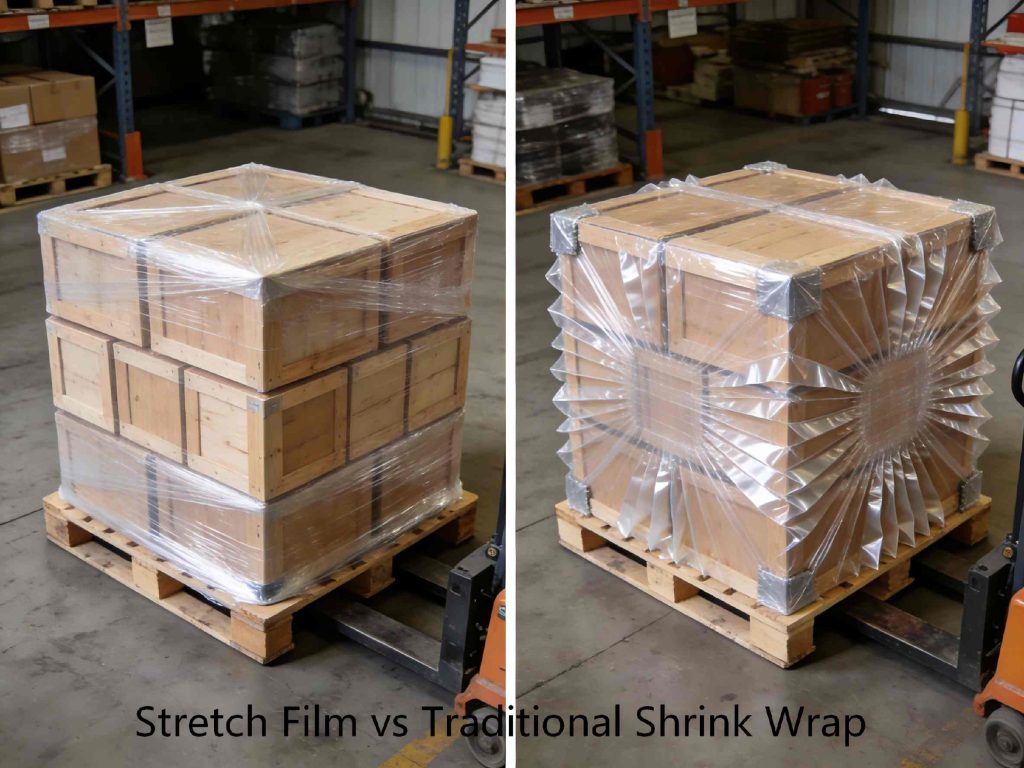
Shrink wrap is typically manufactured from polyolefin (POF), PVC, or polyethylene (PE) films that shrink when exposed to controlled heat. When you add heat, it pulls in tight. People often use it to group small store items. Or to cover single products for a seal that shows if someone has tampered with it. But you need heat tools like guns or tunnels. That turns the whole process into something that uses more power.
What Is Shipping Wrap (Stretch Wrap)
Shipping wrap, known as Stretch Film, is a flexible plastic film. You wrap it by hand or with machines around loads on pallets. It sticks to itself naturally. No glue or heat needed. This method significantly improves operational safety by eliminating open heat sources while also increasing wrapping efficiency.
Application Process Comparison
For shrink wrap, you must use gear that heats things. That raises power bills. It can even spark fire risks. Stretch film changes all that. You apply it with basic wrappers or machines. Times for wrapping drop noticeably. Safety stays high with few issues. In busy spots like logistics centers or hardware factories, this speed proves handy. Using semi-automatic or automatic stretch wrapping systems, a standard pallet can typically be secured within 1–2 minutes. That keeps lines moving without holdups.
Load Stability and Security
Performance During Transit
Stretch wrap provides consistent load containment force (LCF), allowing elastic recovery that stabilizes palletized goods during transit. It gives it a chance to bend with bumps on the road. Goods stay bundled tightly. Shrink wrap generally offers lower puncture resistance in palletized logistics applications, making it more susceptible to tearing under external impact. Or if heat didn’t spread even during setup. Then loads could shift around.
Resistance to External Forces
The stretch in this film soaks up shakes and jolts better. That’s key when goods bounce around. It shines in setups with trucks, then ships, then more trucks. Such paths mean lots of motion. Stretch wrap handles it without letting go.

Compatibility with Package Strapping
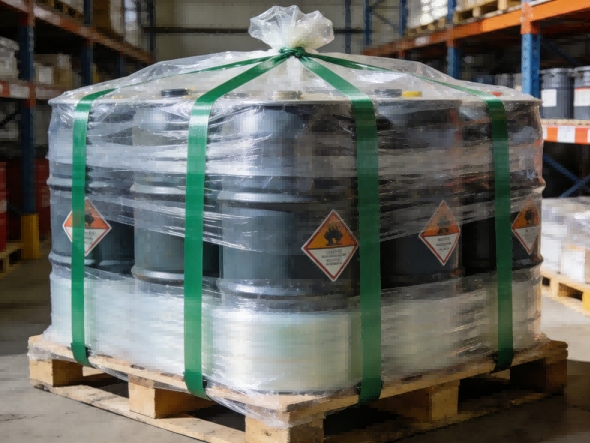
A big plus for shipping wrap from Weide Chuangyi Packaging is how it pairs with strapping tools. Mixing shipping wrap and package strapping boosts hold against downward pressure. It keeps units whole. Take our PET strapping. Factories in ceramics, electronics, and hardware use it a lot. This combo secures heavy stacks for export. It prevents breaks during long hauls to places like Europe.
Moisture and Dust Protection
Barrier Effectiveness Comparison
When done right, shrink wrap seals the air out completely. It blocks water well. But a tear or a bad seal ruins that fast. Protection drops off. Stretch wrap guards against dust reliably. It offers some block against dampness too. Yet it lets air through. That’s good for spots where heat builds up. In humid ports, for instance, this breathability stops mold on packed wood items.
Suitability for Export or Long-Term Storage
Stretch wrap lasts a long time without trouble. It copes with changing weather, hot or cold. It won’t crack as some films do. Our machine-grade stretch films suit long stays in storage. Prolonged outdoor exposure may lead to UV degradation and material embrittlement in certain shrink films. Elements wear it down. For exports to rainy areas, stretch wrap keeps contents dry for months in containers.
Cost Efficiency and Operational Impact
Material Cost Comparison
On money matters, stretch film wins out. It costs less to cover one pallet than shrink film, especially when you add power use. This fits big operations where watching the budget counts most. Many warehouses report noticeable reductions in total packaging costs after transitioning from shrink wrap systems to stretch film solutions, primarily due to lower material usage and energy consumption. That’s real cash back into the business.
Labor and Equipment Requirements
You don’t need hot tools for stretch wrapping. Our hand stretch films suit beginners. Little training gets staff going. No fancy machines required at first. Shrink wrapping calls for heat setups like tunnels or guns. That means more steps for workers. It also hikes up spending on gear. In a busy plant, stretch film cuts setup time by half. Teams focus on packing more pallets instead.
Downtime and Safety Considerations
With stretch film, breaks in work stay low. It wraps up quickly. Best of all, no fire worries from heat systems in shrink wrap. Staff work more safely overall. By eliminating heat-based equipment, facilities significantly reduce fire hazards and improve overall workplace safety. That alone boosts daily output.
Application Scenarios for Each Method
When to Use Shipping Wrap
Go for shipping wrap in spots with lots of volume. Time and savings top the list there. In logistics, items like PP strapping tape and PET strapping tape see wide use. They back up stacked goods for safety. Pair them with stretch film. This setup gives solid guard for exports or mixed loads.
When to Use Shrink Wrap
Shrink wrap fits certain jobs where proof of no tampering matters. Or when you need a full block from the weather. Think retail packs or delicate tech gear. But in tough logistics work, it falls short. The issues we covered limit its reach.
Conclusion
Shipping wrap from Weide Chuangyi Packaging beats out old shrink wrap ways in logistics settings. It brings better hold for loads, saves cash, applies easily, and works with common strapping. Stretch film proves the top pick for keeping pallets safe on the move. Shrink wrap still has a place for things like store packs. Yet shipping wrap gives wider wins for industry use. Get it from pros like us at our catalog website for the best results.
FAQ
Q: What’s the main difference between shipping wrap and shrink wrap?
A: Shipping wrap (stretch film) uses tension to secure loads without heat, while shrink wrap requires heat to form a tight seal around products.
Q: Is shipping wrap more cost-effective than shrink wrap?
A: Yes, shipping wrap reduces material costs, eliminates the need for heating equipment, and lowers labor time compared to shrink wrapping.
Q: Which type of wrapping provides better load stability during transport?
A: Shipping (stretch) wrap offers better load stability due to its elastic tensioning properties that hold pallets firmly even under movement.
