
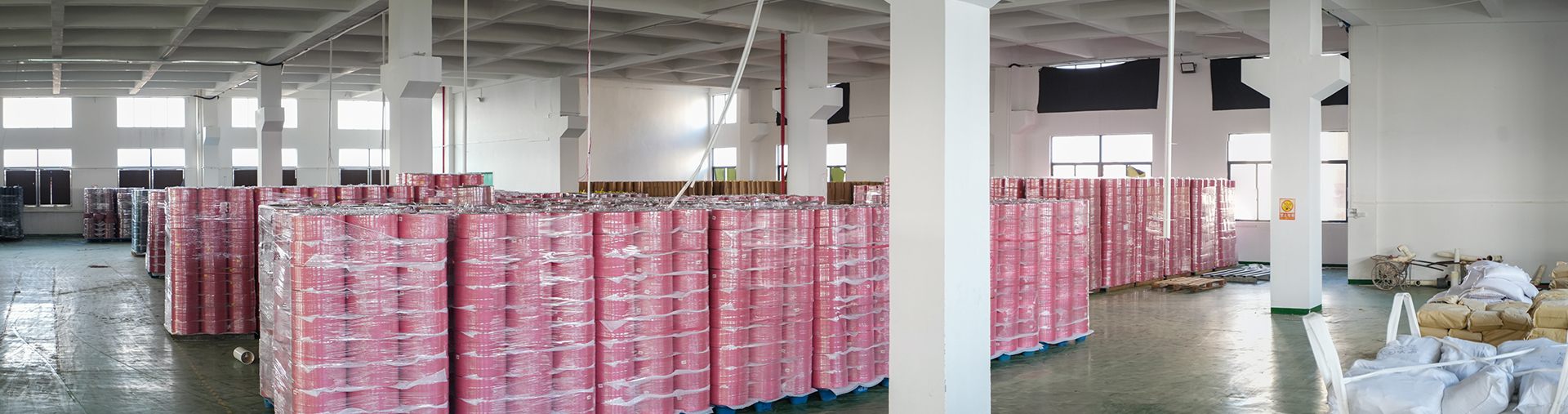
32mm Heavy-Duty PET Strapping: Specs, Features & Applications
2026-10-0932mm PET Strapping for Heavy Loads
When a pallet carries steel, aluminum, stone, paper rolls, or machine parts, the strap must hold tension through lifting, storage, and road vibration. 32mm heavy-duty PET strapping gives you a wide load contact area with a 0.8-1.6mm thickness range. The specification table lists 1,500-3,500N tensile breaking strength and a recommended bundling weight of 50-500kg. This makes 32mm PET strapping a practical choice for heavy-duty cargo strapping where load shape and transport conditions call for a broad, stable band.
The strap series page covers PET polyester strapping for industrial packing equipment. Select thickness, finish, and joining method from load data, then confirm the 32mm guide and sealing settings.

What Are the Main Features of 32mm PET Strapping?
The right strap must keep a load aligned after the first tightening cycle. Material quality, elongation, edge finish, and surface friction all affect that result. Check these points together when you review a roll or compare a quotation.
High Tensile Strength and Tension Retention
PET strapping tensile strength rises with thickness. The listed range runs from 1,500N at 0.8mm to 3,500N at 1.6mm. PET keeps tension during long-distance transport. Match the grade to bundle weight, corner radius, and tool tension.
Impact Resistance and Weather Stability
The strap has 10%-20% elongation, giving the band room to absorb impact during loading or braking. The PET strapping temperature range is -40°C to 80°C. Moisture resistance and rust-free performance support outdoor staging, cold storage, and routes with temperature changes. Confirm exposure time and sunlight for open-yard storage.
Light Handling and Flexible Use
With a listed weight of 22-45g/m, a 32mm roll is easy to move around a packing station. The band has good plasticity and bending resistance. Smooth edges protect hands and packaged surfaces. Manual, semi-automatic, and fully automatic machines are listed in the selection data. Check the slot, thickness range, tension capacity, and seal method before ordering.
Embossed or Smooth Surface Options
Double-sided embossing creates a visible anti-slip texture and adds friction between overlapping layers. A smooth finish supports steady feeding through an automatic line. Both finishes need a clean, even contact area. Paper corner protectors can spread pressure at sharp edges and help keep a pallet square during tightening.
PET Resin and Recovery
The specification image lists at least 95% virgin PET resin. This material gives the strap consistent toughness and weather performance across production batches. PET plastic steel strap can enter PET grade-one recovery streams when your facility separates packaging waste by material. Keep used straps free from mixed metal clips and store them dry for collection.
What Are the PET Strapping Specifications?
Use the table to start a purchase discussion. Final grade depends on cargo, corner protection, strap count, and joining process.
| Specification | Listed value | What you should check |
|---|---|---|
| Strap width | 32mm (±0.5mm) | Slot width and guide alignment |
| Thickness | 0.8-1.6mm | Required tension and load weight |
| Tensile breaking strength | 1,500N (0.8mm) to 3,500N (1.6mm) | Test value for the selected thickness |
| Elongation at break | 10%-20% | Impact and load movement |
| Weight | 22-45g/m | Roll length and handling plan |
| Virgin PET content | ≥95% | Batch certificate and material consistency |
| Surface | Anti-slip embossing or smooth | Friction and machine feeding |
| Machine types | Manual, semi-automatic, fully automatic | Slot, tensioner, and seal compatibility |
| Temperature range | -40°C to 80°C | Storage and transport exposure |
| Recommended bundle weight | 50-500kg | Cargo shape and pallet structure |
Where Is 32mm PET Strapping Used?
The 32mm width fits cargo that needs broad contact and steady compression.
Metal Materials and Products
Use PET strapping for steel coils, aluminum ingots, aluminum profiles, metal cans, and other metal products. The strap holds heavy sections together and keeps rust marks away from finished surfaces. Add corner protectors where coil edges or cut profiles can concentrate pressure. For PET strapping for steel coils, confirm the coil diameter, bundle weight, and lifting method before setting tension.
Building Materials and Ceramics
Stone, tiles, ceramic ware, and construction panels face impact during forklift movement and road trips. A PET band with corner protection keeps layers aligned. Inspect the first and last strap on each pallet.
Paper and Wood Products
Paper rolls, cardboard stacks, timber, boards, and furniture parts need firm holding with a surface that does not scratch. Choose the finish around the machine and load texture. Paper corner protectors reinforce the pallet and reduce tilting.
Manufacturing and Equipment Parts
Automotive components, appliance shells, machinery parts, and equipment accessories move through repeatable packing cycles. Confirm strap path, welding-head clearance, and tension recovery before a line trial.
Logistics and Pallet Transport
For warehouse transfer and cross-region delivery, place straps to support the pallet deck and load center. Manual tools use a tensioner, strapping plier, and metal buckle. Pneumatic and electric balers can use friction welding when they accept the width and thickness. Check joints after loading and after the first handling cycle.

How Should You Match 32mm PET Strapping to Equipment?
Start with the equipment manual. A 32mm strap requires a guide and sealing system designed for that width; many portable units cover 13-25mm bands. At a manual station, thread the band around the pallet, tension it with a lever, insert a galvanized steel buckle, crimp the joint, and cut the excess. Pneumatic or electric systems use tension and friction-welding settings. Confirm maximum thickness, air pressure or battery rating, and spare parts before production.
How Can You Check a Roll Before Purchase?
Request width and thickness tolerance, tensile result, elongation, meter weight, virgin-resin ratio, roll length, and batch label. Inspect cross-section, edges, cleanliness, and embossing. Run a short trial on your heaviest regular load and record strap count, tension, joint strength, and pallet movement.
Choosing a Technical Partner for 32mm PET Strapping
Weide Chuangyi Packaging provides PET and PP strapping, galvanized steel buckles, paper corner protectors, and compatible manual tools. For a 32mm project, discuss thickness, anti-slip or smooth finish, roll weight, color, logo needs, and manual or automated sealing.
Product information and contact routes are available through the company website. Request a sample roll and machine-fit check before production; the trial can reveal guide clearance or corner pressure issues early.
Conclusion: Select the Grade Around Your Load
32mm heavy-duty PET strapping combines 32mm width, 0.8-1.6mm thickness, 1,500-3,500N breaking strength, 10%-20% elongation, and a -40°C to 80°C temperature range. Use these figures with cargo weight, shape, corner protection, route, and sealing equipment to set a repeatable PET plastic steel strap specification.
FAQ
Q1: What is the PET strapping tensile strength for 32mm PET strapping?
A: The listed range is 1,500N at 0.8mm thickness to 3,500N at 1.6mm. Select the grade after checking load weight and tension settings.
Q2: What is the PET strapping temperature range?
A: The listed range is -40°C to 80°C. Review sunlight, humidity, and storage time for outdoor use.
Q3: How heavy a bundle can 32mm PET strapping secure?
A: The specification image gives a recommended range of 50-500kg. Cargo shape, pallet structure, strap count, and transport impact can change the required grade.
Q4: Which machines can use 32mm PET strapping?
A: The specification lists manual, semi-automatic, and fully automatic machines. Confirm the guide width, thickness capacity, tension system, and seal method with the machine supplier.
Q5: Should you choose embossed or smooth PET strapping?
A: Embossing adds surface friction between layers. A smooth finish supports automatic feeding. Choose the finish that matches your equipment and the cargo contact surface.
Prev : None

