
Why Does Strapping Break During Packaging? 8 Common Causes and Practical Fixes
2026-06-12For warehouse supervisors, packaging distributors, and factory purchasing teams, the question “why does strapping break during packaging” usually appears after a real production problem has already happened. A pallet may loosen before shipment, a carton may be crushed at the corner, or an automatic strapping machine may stop several times during one shift. Strap breakage is rarely caused by one single factor. In most cases, it comes from a mismatch between strap material, load weight, machine setting, sealing method, and packing conditions.

The Strap Tension Is Set Too High
High tension is one of the most common reasons for plastic strapping breakage. Many operators raise the tension because they want the pallet to feel tighter. That approach may work on some loads, but it can also overstress PP strapping or PET strapping before the package even leaves the line.
When strap breaks during tensioning, the first check should be the tension setting. Cartons with soft edges, light-duty pallets, and mixed-size loads should not be strapped with the same force as dense building materials or hardware products. The practical fix is to adjust tension according to carton strength, pallet weight, and strap specification rather than using one fixed setting for all packages.
The Strap Width or Thickness Is Not Right for the Load
A strap that is too narrow or too thin may fail even when the machine is working correctly. This is especially common when buyers choose strapping by roll price instead of actual holding force. Light carton bundling may only require PP strapping, while heavy pallets often need PET strapping with a higher breaking force.
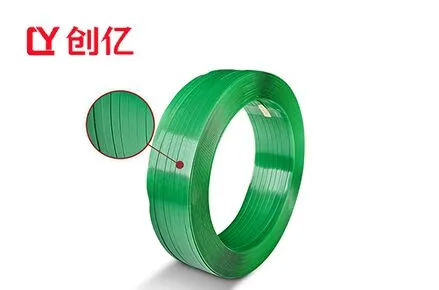
For heavy-duty packaging, buyers should compare strapping width and thickness with load weight, pallet height, and transport distance. Foshan Weide Chuangyi Packaging Materials Co., Ltd. offers PET strapping belt with customizable width from 9 mm to 32 mm and customizable thickness from 0.6 mm to 1.2 mm. Its PET strapping specification table includes breaking force options from 1,920 N to 15,360 N, which gives procurement teams a clearer basis for choosing a suitable strap for heavy pallets.
The Wrong Material Is Used for the Packing Job
PP strapping and PET strapping serve different packaging needs. PP strapping is widely used for light and medium-sized cargo strapping, carton bundling, and pallet fixing. It is affordable and suitable for many daily warehouse operations. However, PP strapping breakage may occur when it is used for loads that are too heavy, sharp-edged, or exposed to long-distance vibration.
PET strapping is better suited for heavy-duty packaging, export pallets, logistics handling, and applications that require stronger tensile strength. Weide Chuangyi’s PET strapping belt is made from PET material and can be used with manual, pneumatic, electric, and automatic strapping machines. When PET strapping breaking occurs, the issue is often not the material category itself, but the selected grade, tension setting, or packing method.
The Strapping Machine Is Not Feeding or Tensioning Properly
Strapping machine strap breaking often comes from equipment-related issues. If the strap fails to feed smoothly, rubs against the guide rail, or is pulled unevenly by the tensioning wheel, stress will gather in one section of the strap. Over time, this creates sudden breakage, weak sealing, or repeated machine stoppage.
For automatic strapping machine problems, the inspection should start with the strap path. Dust, scraps, worn rollers, loose guides, or incorrect machine settings can affect feeding and tensioning. The selected strap must also match the machine’s required width and thickness. For buyers using automatic packing lines, fully automatic PP strapping or machine-compatible PET strapping should be tested on the actual equipment before bulk ordering.
The Seal or Joint Is Too Weak
Sometimes the strap itself has not failed. The break happens at the joint. This is common when the heat seal, friction weld, buckle, or manual sealing tool does not create enough holding strength. If the broken ends appear near the sealed area, the problem should be treated as a joint failure rather than pure strap breakage.
A weak seal may come from low sealing temperature, short welding time, dirty strap surfaces, poor pressure, or an unsuitable buckle. Weide Chuangyi supplies related packaging accessories such as PET strap steel buckle, manual packing pliers, strap tensioners, and pneumatic balers. The right combination of strap and tool helps improve joint stability, especially in heavy pallet strapping and repeated warehouse use.
The Strap Quality Is Unstable
In bulk packaging material procurement, unstable strap quality can create hidden costs. Width variation, uneven thickness, rough edges, poor coil winding, and inconsistent raw material quality can all lead to plastic strapping keeps breaking during daily use. These issues may not be obvious in a short sample test, but they become clear on high-volume packing lines.
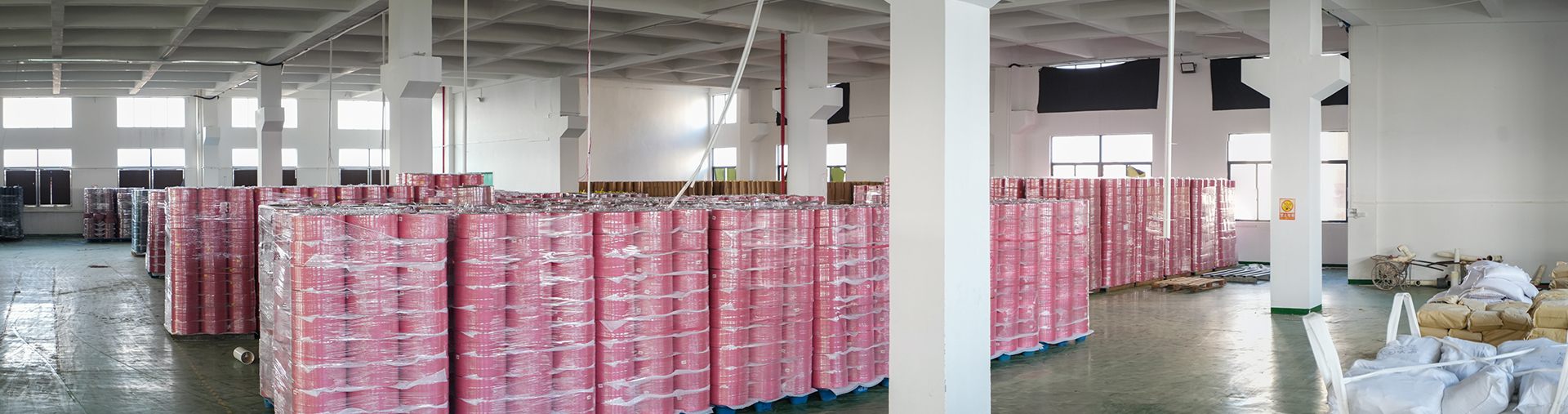
High quality PP strapping and high quality PET strapping should have consistent dimensions, smooth edges, stable coil winding, and reliable tensile performance. For purchasing teams, supplier capability matters. Foshan Weide Chuangyi Packaging Materials Co., Ltd. has 21 years of packing belt production experience, a 10,000-square-meter production base, and 12 product inspection standards. These factory details support more stable supply for distributors, manufacturers, and logistics packaging users.
The Cargo Edges Are Too Sharp or Poorly Protected
Strapping can break when it rubs against sharp carton corners, wooden pallets, metal edges, ceramic products, or building materials. During tensioning, the strap presses firmly against the load. During transport, vibration adds more friction. A small cutting point can become a full break before the shipment arrives.
The practical fix is edge protection. Paper corner protectors can help bind products together, make the whole package more solid, and protect edges when goods are secured on a pallet. For loads with sharp corners or high compression risk, paper corner protector for strapping is often a simple way to reduce carton edge damage and improve pallet stability.
The Load Moves During Transport
Even a good strap can fail if the pallet is unstable. Load shifting during shipping places repeated stress on the strap, especially when cartons are stacked unevenly or the pallet is not wrapped tightly. This is why strapping should be considered part of a complete pallet packaging solution.
For export shipping and long-distance logistics, PET strapping, stretch film, paper corner protectors, and proper stacking should work together. PET strapping provides strong holding force. Stretch film helps keep cartons together and reduces dust and moisture exposure. Paper corner protectors reduce edge pressure and help spread the force of the strap across the package.
About Foshan Weide Chuangyi Packaging Materials Co., Ltd.
Foshan Weide Chuangyi Packaging Materials Co., Ltd. is a packaging material supplier integrating research and development, production, and sales. Founded in 2004 and located in Foshan, the company focuses on PP strap, PET strap, fully automatic PP strap, semi-automatic PP strap, stretch film, paper corner protector, and related packaging materials. Its products serve electronics, hardware, furniture, clothing, logistics, electrical appliances, and other industries. For B2B buyers that need stable packaging materials, clear specifications, and practical product support, Weide Chuangyi provides a broad product range for carton packaging, pallet fixing, heavy-duty strapping, and export packaging.
Conclusion
Strapping breakage is usually the result of several connected issues. High tension, wrong strap size, unsuitable material, machine problems, weak seals, unstable quality, sharp cargo edges, and load shifting can all cause PP strapping or PET strapping to fail. The best prevention method is to check the full packaging process, not only the broken strap. Buyers should match strap material, width, thickness, breaking force, machine type, edge protection, and shipment conditions before placing bulk orders. With PP strapping, PET strapping, stretch film, paper corner protectors, and packing tools, Foshan Weide Chuangyi Packaging Materials Co., Ltd. supports B2B packaging users in reducing strap breakage and improving pallet safety.
FAQs
Q1: Why does my plastic strapping keep breaking?
A1: Plastic strapping keeps breaking when the tension is too high, the strap is too narrow or thin for the load, the material does not match the packaging job, or the strapping machine feeds the strap unevenly. Sharp cargo edges and weak seals can also cause breakage.
Q2: Why does PP strapping break in an automatic strapping machine?
A2: PP strapping may break in an automatic strapping machine when the strap width, thickness, or coil quality does not match the equipment. High tension, dirty guide rails, worn rollers, poor feeding, or unstable sealing can also lead to PP strapping breakage.
Q3: How do I stop PET strapping from breaking during tensioning?
A3: To stop PET strapping from breaking during tensioning, check the breaking force, strap width, strap thickness, machine setting, and cargo edge condition. Heavy pallets should use a PET strapping grade that matches load weight and transport conditions.
Q4: What strapping should I use for heavy pallets?
A4: Heavy pallets usually require PET strapping because it offers stronger tensile strength and better holding force for long-distance transport. The right specification should be selected according to pallet weight, cargo shape, shipping route, and the type of strapping machine used.
Q5:Why does strapping break at the seal?
A5: Strapping breaks at the seal when the joint is too weak. Common causes include low welding temperature, short sealing time, poor pressure, dirty strap surfaces, unsuitable buckles, or a sealing tool that does not match the strap material.
